



“The New Luxury: Having A Role To Play.”
Take Away
In a world where technology increasingly personalizes everything, one of the most valuable experiences may be surprisingly simple: sitting down with people you have never met — and discovering that you have something to share.
The Sign
What Is It?
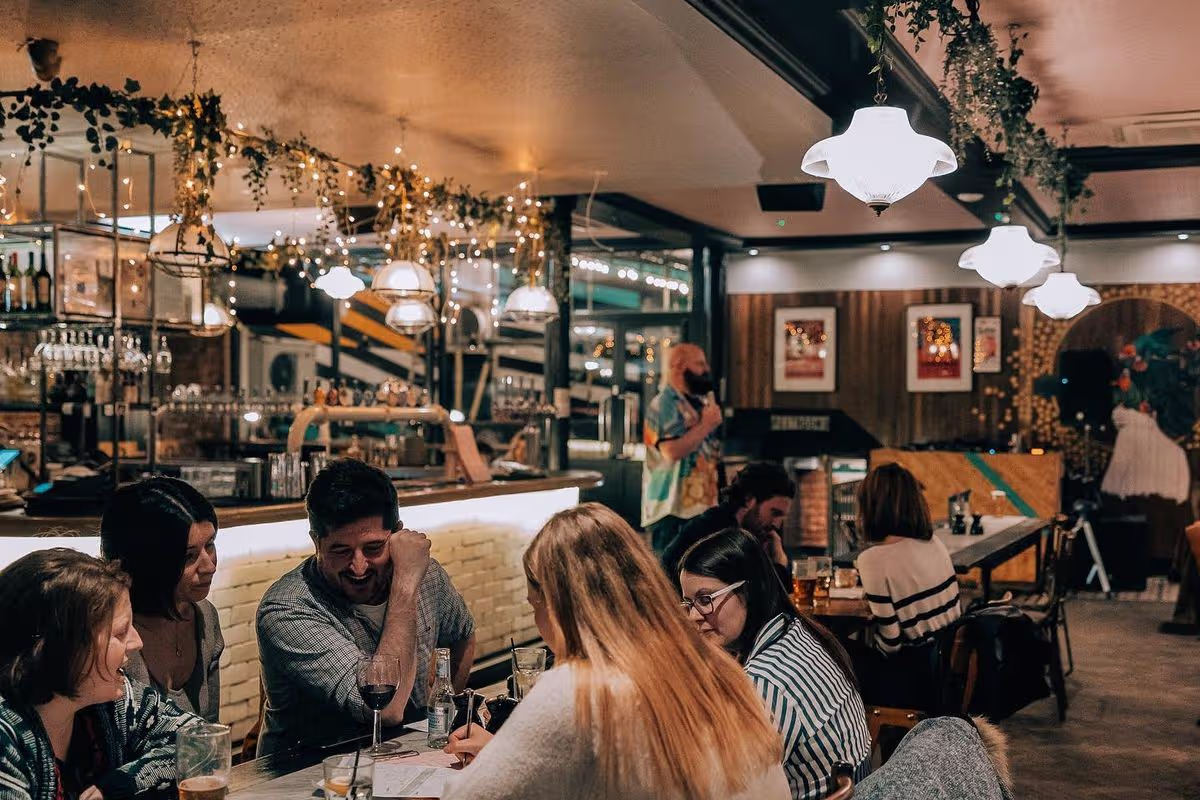
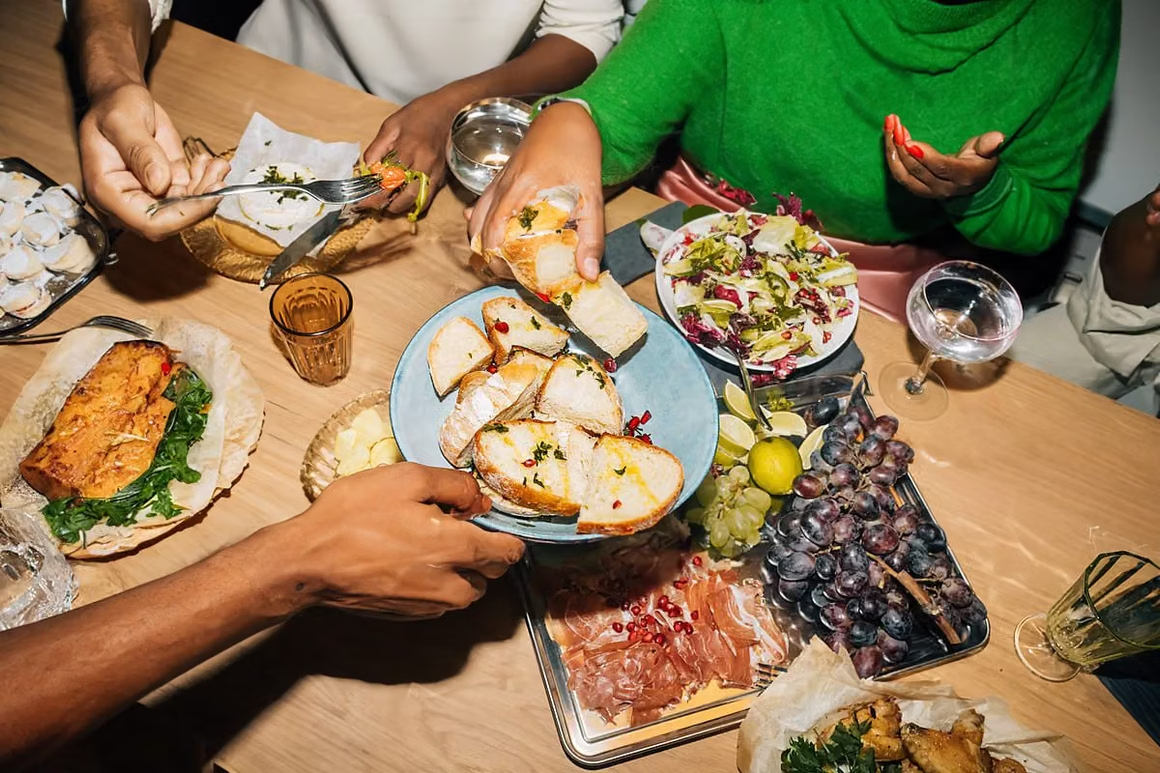
Six strangers. One restaurant table. No friends to bring along.
Meet Timeleft, a social dining concept that brings together small groups of strangers for dinner. Participants answer a personality questionnaire; an algorithm matches the group, a restaurant is booked, and everyone shows up. The idea is already operating in Mexico City and numerous other cities worldwide.
There is no swiping through profiles, no need to organize a group of friends, and no guarantee of what the evening will bring. You simply sit down and start talking.
It sounds almost old-fashioned. But perhaps that is precisely the point.
Why Is It Cool?

Timeleft turns something many people find difficult — making new connections as an adult — into an experience that is easy to join.
The clever part is not the restaurant or even the food. It is the social architecture: the deliberate removal of familiar companions, the introduction of strangers and the possibility of an unexpected connection.
Technology does the organizing, but the experience itself is resolutely human.
And there is a deeper contradiction here. We have never had so many ways to communicate, yet meaningful encounters can still be difficult to find. Timeleft turns that tension into a reason to go out.
Why Does It Have Future Growth Potential?
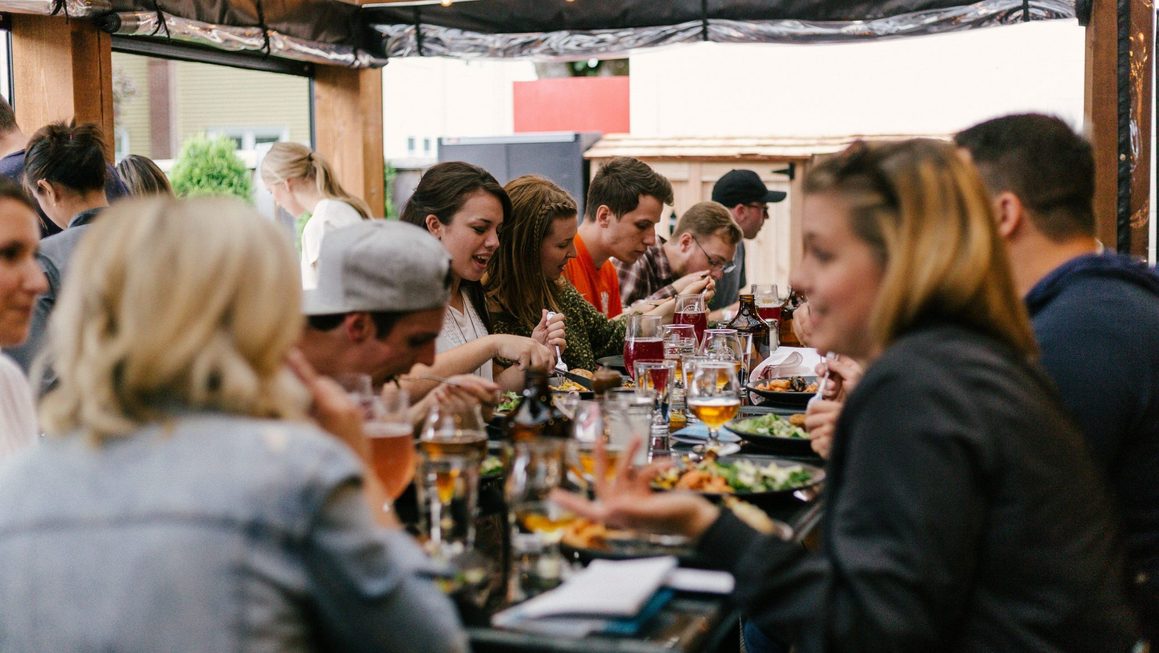
Could human connection become a new form of luxury?
For hospitality, this raises an intriguing possibility. Perhaps the next frontier is not simply offering more privacy, personalization or exclusive access. It is creating the conditions for people to feel genuinely connected — to others, to a place, or to something larger than themselves.
Imagine what this could mean beyond social dining.
A boutique hotel might bring guests together around a shared interest rather than leave them isolated in beautifully appointed rooms. A wellness retreat might create unexpected connections between people who would never normally meet. A luxury travel experience might be remembered less for what guests saw than for whom they encountered along the way.
These are possibilities, not predictions. But the underlying signal is worth watching: hospitality could increasingly be valued for the quality of human encounters it makes possible.
For premium brands, the challenge would be to facilitate connection without making it feel manufactured. Nobody wants to be ordered to make friends.
The opportunity is not to sell companionship. It is to create the conditions in which meaningful encounters can happen.
Key Learning
Tomorrow’s luxury may not be about having more to yourself. It may be about discovering something — or someone — you would never have found alone.
Author: Ivan Babic, Cool Cross-Sectional Hospitality Hunter
Editor: Kotryna Paškevičė

The Art of Gathering: How We Meet and Why It Matters
Provides practical insight into why collective experiences and third places are becoming the new bedrock of brand loyalty.

Braun Classic Minimalist Bauhaus Analog Watch
Iconisch Dieter Rams-minimalisme: tijdloze proportie en ingetogen luxe als stil statement tegen opzichtige logo-cultuur.

Gastrophysics: The New Science of Eating
Deconstructs the neurogastronomy and multi-sensory experiments explored in this culinary foresight signal.

Lexon Mina Mini LED Portable Ambient Lamp
Draagbare sfeerverlichting die elke hospitality- of leefruimte onmiddellijk omtovert tot een intieme, warme oase.

Setting the Table: The Transforming Power of Hospitality in Business
Unpacks the human philosophy behind the extraordinary guest touchpoints and unexpected details highlighted in this briefing.

Ember Temperature Control Smart Mug 2
Slimme thermische precisietechnologie die dagelijkse drinkrituelen transformeert tot een geconditioneerde sensorische ervaring.

Click & Grow Smart Garden Connected Indoor Ecosystem
Praktische vertaling van biofiele architectuur en regeneratief wonen: levend groen geïntegreerd in het binnenklimaat.

LARQ PureVis Self-Cleaning UV-C Insulated Bottle
Onmisbare uitrusting voor de bewuste natuurreiziger en de opkomst van off-grid eco-luxury bestemmingen.

Therabody Theragun Mini 2.0 Percussive Therapy
Belichaamt de proactieve fysieke herstel- en saunacultuur die exponentieel groeit binnen hoogwaardige wellness-hospitality.

Stanley Classic Trigger-Action Travel Mug (0.47L)
Onverslijtbare vacuümisolatie voor de hedendaagse mobiele reiziger en actieve buitenverkenner.
Rate & Discuss this Signal
Calibrate the Future Signals Index with your rating below, and share your perspective in the community dialogue.
Evaluate this Creative Signal
Help calibrate the Future Signals Index. Rate this Seed on both key criteria below (scale: 2 to 10).