




Indeed, suspending Avant-Garde Architectural Sanctuaries Among Swedish Boreal Forests Proves That Canopy Hospitality Can Nurture Wild Ecosystems.
Hidden deep within the untouched boreal woods of Harads, the treehotel swedish lapland treehouse destination merges visionary Nordic architecture with pristine wilderness. Specifically, founders Britta and Kent Lindvall commissioned leading Scandinavian architectural studios to create suspended tree chambers without cutting a single pine tree. Consequently, travelers experience tranquil forest immersion four to six meters above the ground.
What Is the Treehotel Swedish Lapland Treehouse Experience?
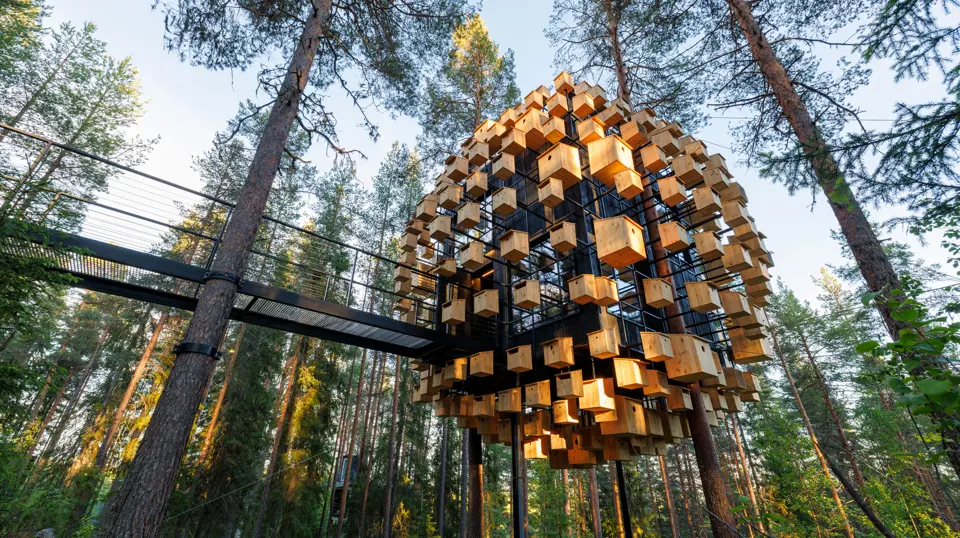
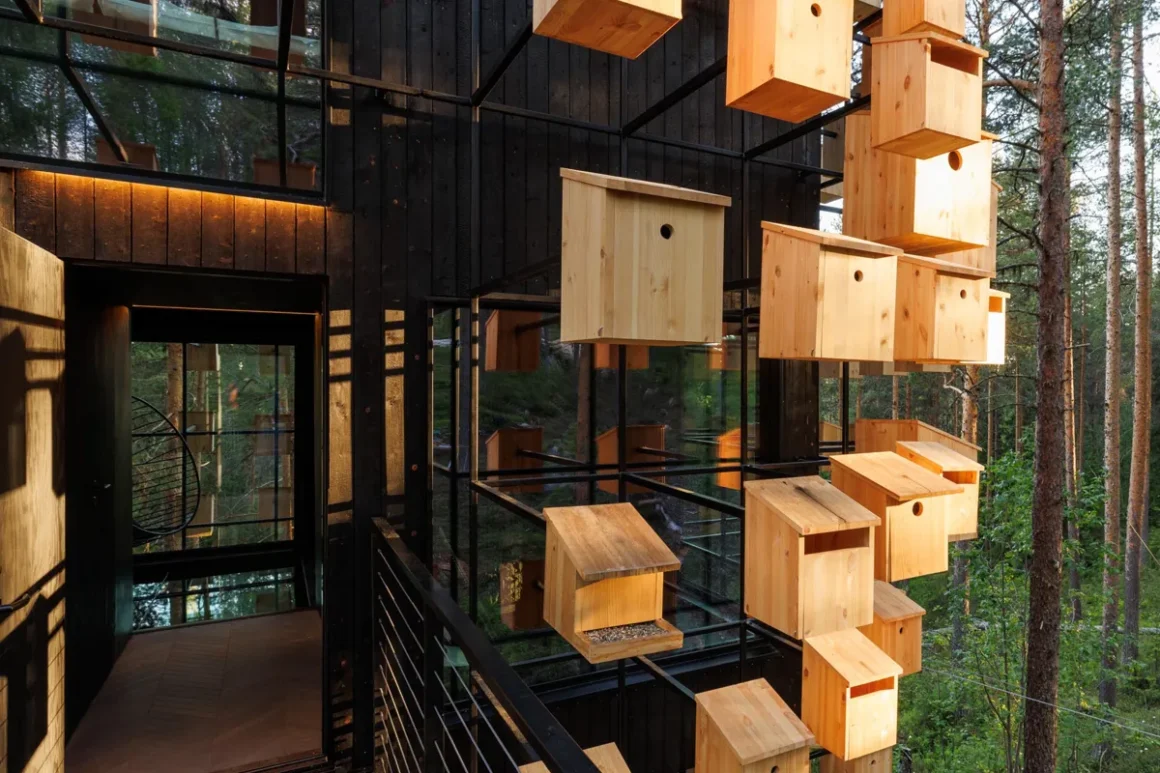
To begin with, each architectural cabin showcases a completely distinct design concept, ranging from the extraterrestrial UFO to the colossal Bird’s Nest. Furthermore, the renowned Biosphere suite features three hundred and fifty handcrafted bird nesting boxes surrounding the room facade. This ingenious design actively supports wild bird populations across northern Sweden during cold nesting seasons.
In addition, each treehouse incorporates eco-friendly combustion toilets, hydroelectric heating, and low-energy water-efficient systems to preserve delicate soils below. Meanwhile, guests savor regional delicacies like smoked arctic char and lingonberry preserves prepared over roaring birch fires. Therefore, the resort marries cutting-edge structural engineering with peaceful wilderness living.
Why Is This Canopy Sanctuary Cool?
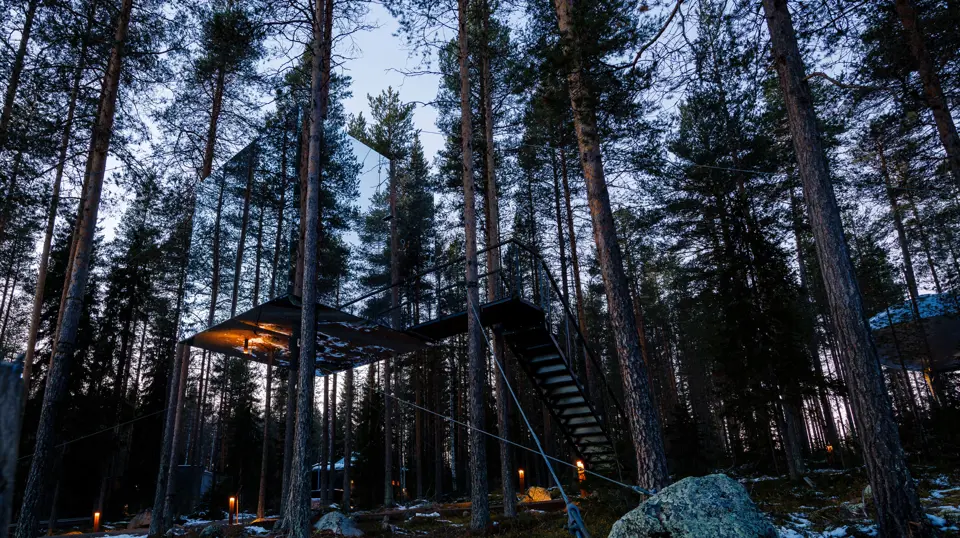
- Architectural Camouflage Mastery: Mirrored glass facades reflect surrounding birch and pine foliage, making structures nearly invisible. Similar to delicate ironcraft aesthetics, harmonious proportions celebrate nature.
- Regenerative Avian Habitats: Hundreds of integrated nesting boxes reverse natural habitat loss for migrating forest birds.
- Elevated Forest Immersion: In fact, living suspended amid tree crowns calms human heart rates through natural forest bathing.
- Rigorous Zero-Impact Engineering: Non-invasive clamping brackets secure treehouses to trunks without harming bark vitality.
Why Does Biophilic Canopy Tourism Have Growth Potential?
Moreover, Modern travelers increasingly reject cookie-cutter resorts in search of nature-focused retreats that support mental health and ecological preservation. Because tree-mounted accommodations command premium booking rates while maintaining minimal surface construction footprints, operators achieve strong sustainability metrics. Therefore, canopy-level biophilic architecture represents an expanding global hospitality trend.
The Take Away
In conclusion, Treehotel proves that human creativity can elevate hospitality into the forest canopy without disturbing natural harmony. As a result, by building safe homes for birds while housing curious explorers, Sweden sets an exemplary standard. Ultimately, When you rise into the treetops, nature welcomes you home.
Reference Link: Treehotel Official Portal
30 comments
HOW COOL IS THIS “SEED”?
● ● ● ● ○
DOES IT HAVE FUTURE GROWTH POTENTIAL?
● ● ● ● ○
Distinct room designs can create distinct service and maintenance requirements. Staff need reliable room-specific information and clear support arrangements. The operating model should accommodate real guest use rather than assume a striking architectural concept makes everyday routines self-explanatory.
HOW COOL IS THIS “SEED”?
● ● ● ● ●
DOES IT HAVE FUTURE GROWTH POTENTIAL?
● ● ● ● ○
Custom rooms require an investment case that includes repair, specialist maintenance and realistic occupancy. Their appeal may be strong without making replication economical. I would assess each design’s long-term performance rather than treat visual differentiation as a sufficient reason to expand.
HOW COOL IS THIS “SEED”?
● ● ● ● ●
DOES IT HAVE FUTURE GROWTH POTENTIAL?
● ● ● ● ●
The property’s environmental account should explain specific practices and how they are evaluated. A design relationship to trees is not proof of ecological harmony. Guests deserve a clear distinction between architectural intention and demonstrated outcomes across construction, operation and the surrounding site.
HOW COOL IS THIS “SEED”?
● ● ● ● ○
DOES IT HAVE FUTURE GROWTH POTENTIAL?
● ● ● ● ○
The rooms can invite a conversation about different ways of inhabiting a landscape. Architects and local contributors should be credited for their perspectives. The experience becomes richer when guests understand the choices behind a design instead of encountering it only as an unusual object to photograph.
HOW COOL IS THIS “SEED”?
● ● ● ● ○
DOES IT HAVE FUTURE GROWTH POTENTIAL?
● ● ● ○ ○
The signal is architecture becoming a selectable part of the hospitality experience. Growth depends on function, care and site suitability as well as novelty. Room counts and environmental descriptions in the historical article should not be treated as universally current facts about the property.
HOW COOL IS THIS “SEED”?
● ● ● ● ○
DOES IT HAVE FUTURE GROWTH POTENTIAL?
● ● ● ● ○
A thoughtful host can help a guest settle into an unfamiliar room without making practical questions feel awkward. Clear explanations should accompany the sense of discovery. Warm service matters when the design requires different routines from a conventional hotel room.
HOW COOL IS THIS “SEED”?
● ● ● ● ○
DOES IT HAVE FUTURE GROWTH POTENTIAL?
● ● ● ● ○
An unusual enclosure could invite quiet, but privacy and comfort still need attention. I would let guests regulate their relationship to the views and surroundings. The experience should not prescribe serenity simply because the room is visually connected to a forest.
HOW COOL IS THIS “SEED”?
● ● ● ● ●
DOES IT HAVE FUTURE GROWTH POTENTIAL?
● ● ● ● ○
Teams need room-specific briefings and a clear route for technical questions. They should be supported in explaining practical limits before arrival. Good preparation would make the design encounter more welcoming without asking staff to improvise answers based mainly on the property’s images.
HOW COOL IS THIS “SEED”?
● ● ● ● ●
DOES IT HAVE FUTURE GROWTH POTENTIAL?
● ● ● ● ●
Local voices could connect the architecture to the community and landscape beyond the property. Their contribution should be visible and fairly recognised. A design destination gains depth when it does not present its surroundings as empty space waiting to become an exceptional guest experience.
HOW COOL IS THIS “SEED”?
● ● ● ● ○
DOES IT HAVE FUTURE GROWTH POTENTIAL?
● ● ● ○ ○
I would assess materials, energy, land effects and ongoing maintenance before accepting minimal-impact language. Different designs may create different tradeoffs. A credible account should examine those specifics rather than infer environmental responsibility from an elevated structure or a visually disappearing surface.
HOW COOL IS THIS “SEED”?
● ● ● ● ●
DOES IT HAVE FUTURE GROWTH POTENTIAL?
● ● ● ● ○
Booking information should make access routes, facilities and room differences easy to compare. Guests can enjoy surprise in the design without uncertainty about basic use. Practical clarity is especially valuable when selecting a room whose shape may conceal how ordinary accommodation functions work.
Clear practical information can support discovery rather than weaken it. Guests would arrive ready to appreciate the room instead of spending their first moments resolving avoidable questions about basic use.
HOW COOL IS THIS “SEED”?
● ● ● ● ○
DOES IT HAVE FUTURE GROWTH POTENTIAL?
● ● ● ● ○
The distinctive rooms offer a strong form of design identity, but desirability should remain connected to the stay itself. Recognition from an image is only the beginning. Premium value becomes more durable when the room rewards close use rather than merely proving the visitor has been there.
HOW COOL IS THIS “SEED”?
● ● ● ● ○
DOES IT HAVE FUTURE GROWTH POTENTIAL?
● ● ● ● ○
Privacy needs a precise description for each room and its relationship to neighbouring activity. A forest setting alone does not guarantee seclusion. Discreet service and clear boundaries would support a personal retreat while leaving guests free to choose how exposed they want to feel.
HOW COOL IS THIS “SEED”?
● ● ● ● ●
DOES IT HAVE FUTURE GROWTH POTENTIAL?
● ● ● ● ○
A forest room may be enjoyable without a promise of wellbeing or digital restoration. I would describe the accommodation and setting plainly. Guests can choose their own pace and response rather than be told that unusual architecture in nature necessarily produces inner calm.
HOW COOL IS THIS “SEED”?
● ● ● ● ○
DOES IT HAVE FUTURE GROWTH POTENTIAL?
● ● ● ● ●
A digital comparison should show practical room details alongside their visual identities. Current facilities and access information need to be easy to find. The interface succeeds when visitors can choose a suitable design without inferring function from a dramatic exterior photograph.
HOW COOL IS THIS “SEED”?
● ● ● ● ○
DOES IT HAVE FUTURE GROWTH POTENTIAL?
● ● ● ● ●
Dining can add a local connection through specific ingredients and credited contributors. Its quality should remain independent of the architectural novelty. A clear, considerate menu would enrich the visit without requiring food to imitate the room’s design theme or claim to represent the entire region.
HOW COOL IS THIS “SEED”?
● ● ● ● ●
DOES IT HAVE FUTURE GROWTH POTENTIAL?
● ● ● ○ ○
The strongest rooms would make unconventional forms work naturally through light, storage and ordinary use. I would assess those details as carefully as the silhouette. An architectural object becomes convincing accommodation when the guest can inhabit it comfortably beyond the first impression.
HOW COOL IS THIS “SEED”?
● ● ● ● ●
DOES IT HAVE FUTURE GROWTH POTENTIAL?
● ● ● ● ●
Different room arrangements need specific access descriptions and honest suitability information. The invitation should not assume everyone can use every design. A considered property can offer choices that preserve the value of the destination without framing one room as the only complete experience.
HOW COOL IS THIS “SEED”?
● ● ● ● ●
DOES IT HAVE FUTURE GROWTH POTENTIAL?
● ● ● ● ○
Guests need plain information about movement, room conditions and obtaining assistance. The setting’s design prestige should not replace practical guidance. Informed choices would help visitors assess the unusual accommodation without broad assurances that overlook individual comfort or support requirements.
HOW COOL IS THIS “SEED”?
● ● ● ● ●
DOES IT HAVE FUTURE GROWTH POTENTIAL?
● ● ● ● ○
A distinctive exterior can still support a restrained interior and quiet use. I would favour details that let the setting remain present without demanding constant attention. The design should allow guests to rest as naturally as it allows them to admire an architectural gesture.
HOW COOL IS THIS “SEED”?
● ● ● ● ○
DOES IT HAVE FUTURE GROWTH POTENTIAL?
● ● ● ○ ○
Promotion should show the actual differences between room options and keep historical facts in context. Environmental claims need specific support. A strong campaign can communicate architectural character while preparing visitors for a real stay rather than only an idealised encounter with a futuristic forest image.
HOW COOL IS THIS “SEED”?
● ● ● ○ ○
DOES IT HAVE FUTURE GROWTH POTENTIAL?
● ● ● ● ○
The narrative of perfect harmony between technology and nature closes useful questions too quickly. I would keep resource and access issues visible. The rooms can be compelling while acknowledging that every intervention has relationships and tradeoffs beyond its apparent lightness in a photograph.
HOW COOL IS THIS “SEED”?
● ● ● ● ○
DOES IT HAVE FUTURE GROWTH POTENTIAL?
● ● ● ● ●
Craft becomes visible in how an unusual design holds up through repeated use. Finish, repairability and practical details matter alongside authorship. A premium architectural experience should reward the guest’s time inside the room rather than rely mainly on recognition of its celebrated exterior.
Repeated use is a useful test of the concept’s quality. The exterior can remain striking while maintenance and practical details show whether the design continues to work as accommodation.
HOW COOL IS THIS “SEED”?
● ● ● ● ●
DOES IT HAVE FUTURE GROWTH POTENTIAL?
● ● ● ● ○
The design task includes arrival, circulation, service routes and the relationships between rooms. A striking individual object cannot resolve all those functions alone. Spatial quality should be assessed through the whole visit, including how comfortably people move between architecture and ordinary hospitality.
HOW COOL IS THIS “SEED”?
● ● ● ● ●
DOES IT HAVE FUTURE GROWTH POTENTIAL?
● ● ● ● ○
The emotional connection could come from discovering a distinctive space through considerate service. The guest’s response remains their own. Clear information and attentive hosting would make the encounter memorable without guaranteeing wonder or suggesting that every design suits every person.
HOW COOL IS THIS “SEED”?
● ● ● ● ●
DOES IT HAVE FUTURE GROWTH POTENTIAL?
● ● ● ● ○
Different architectural rooms give the property a clear reason for interest and potential return visits. Their commercial value should be assessed with upkeep and service costs. Growth needs to preserve the quality of each encounter rather than assume unusual forms always justify additional capacity.
HOW COOL IS THIS “SEED”?
● ● ● ● ○
DOES IT HAVE FUTURE GROWTH POTENTIAL?
● ● ● ● ○
Guests need accurate information about the specific room they are selecting. Access and facilities may differ across designs. International communication should make those differences clear instead of letting a shared brand identity imply that every room provides the same practical experience.
HOW COOL IS THIS “SEED”?
● ● ● ● ●
DOES IT HAVE FUTURE GROWTH POTENTIAL?
● ● ● ● ○
Architecture can anchor a destination visit when it connects meaningfully to local hospitality and knowledge. The surrounding place should retain its identity beyond the room images. Expansion would be stronger through carefully chosen relationships than through reproducing a recognisable object in any available forest.
Rate & Discuss this Signal
Calibrate the Future Signals Index with your rating below, and share your perspective in the community dialogue.
Evaluate this Creative Signal
Help calibrate the Future Signals Index. Rate this Seed on both key criteria below (scale: 2 to 10).