





What Is It?
Hospitality doesn’t always need futuristic technology to create unforgettable experiences. Sometimes, the most powerful innovations are grounded in something as simple as scent.
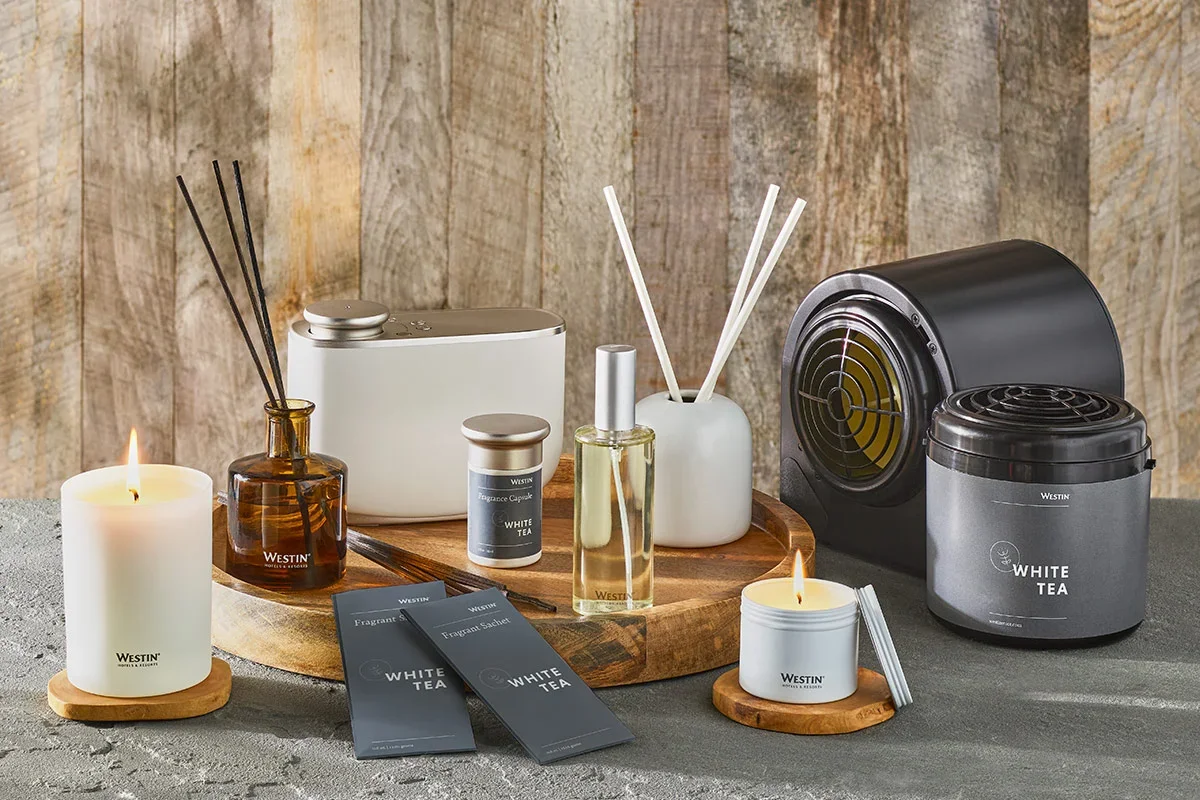
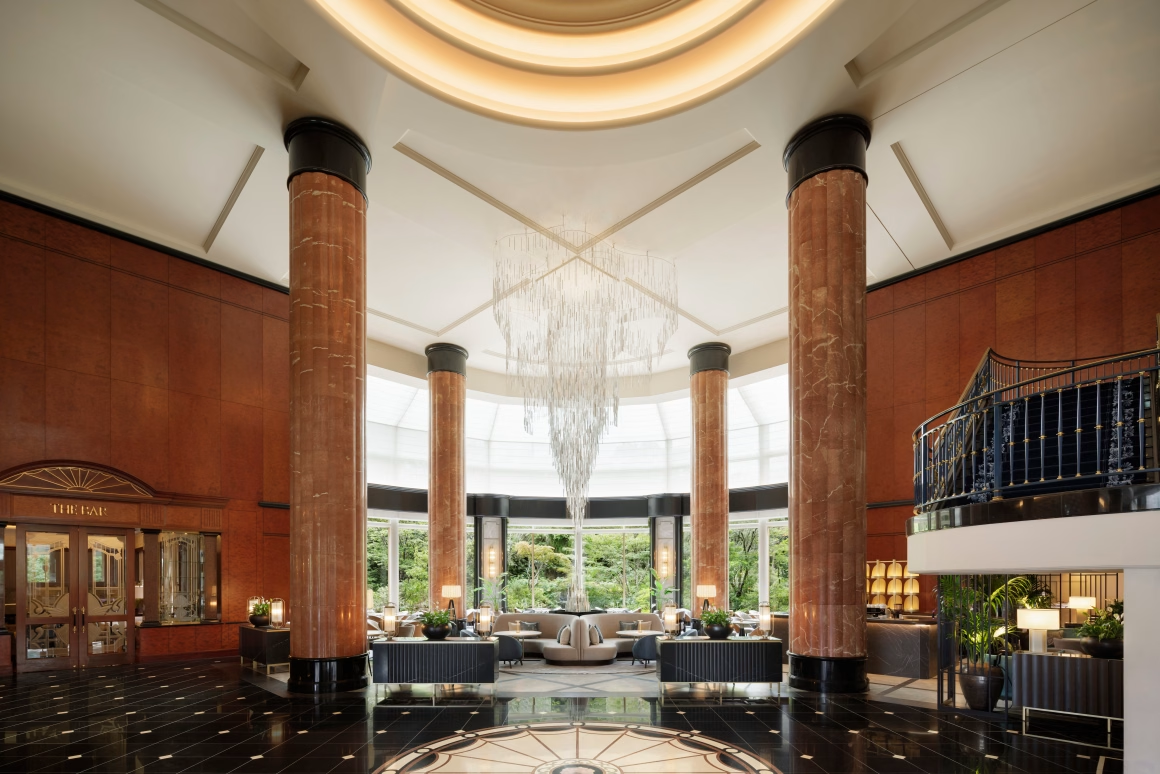
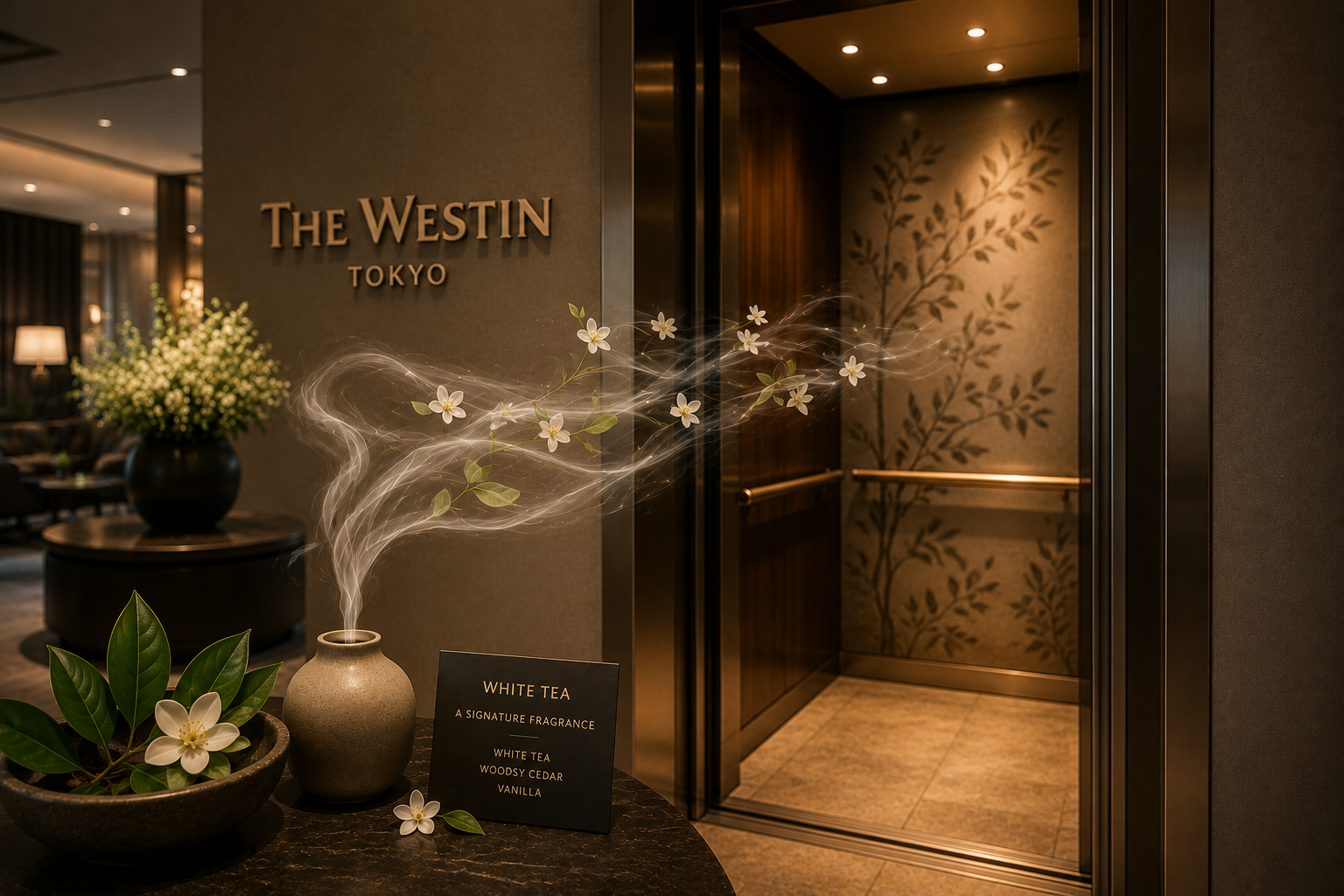
The Westin Tokyo, part of Marriott International, demonstrates this perfectly through its Sensory Welcome. Furthermore, As guests enter the hotel, they are greeted by the brand’s signature White Tea fragrance—a calming blend of white tea, warm cedarwood and soft vanilla. In addition, Before guests even reach reception, they are already immersed in an atmosphere of tranquillity and elegance.
This is the essence of sensory hospitality: transforming an ordinary moment into an emotional memory.
Now imagine extending that idea even further. Elevators, often overlooked as simple means of transportation, could become sensory touchpoints that connect guests with different spaces throughout the hotel. Instead of merely travelling between floors, guests would experience a journey guided by scent.
The ride itself becomes part of the story.
Why Is It Cool?
- It turns the ordinary into something memorable
Hospitality is not just about beautiful rooms or comfortable beds. Furthermore, It is about creating stories that guests remember long after they leave. A scented elevator transforms an everyday journey into an unexpected experience.
- It appeals to one of our strongest senses
Scent is closely linked to emotion and memory. Furthermore, Unlike visual experiences, fragrances often remain with us long after the moment has passed. A carefully designed scent can instantly bring guests back to a hotel months—or even years—later.
- It proves that small details matter
The most memorable hospitality touchpoints are not always the largest or most expensive. Often, it is the smallest details that create the strongest emotional connections. Furthermore, Sensory hospitality reminds us that elegance can be subtle.

Why Does It Have Future Growth Potential?
Hotels are constantly searching for new touchpoints that strengthen guest loyalty and create memorable experiences.
Sensory hospitality offers endless possibilities.
Imagine each floor introducing guests to a different fragrance. Furthermore, Lavender could welcome them to the spa. In addition, Fresh citrus might signal the fitness centre. Furthermore, Warm roasted coffee could build anticipation on the way to breakfast. In addition, Every journey through the hotel becomes an immersive experience rather than simple transportation.
The beauty of this concept is its scalability. Once implemented, fragrance-based experiences require relatively little maintenance while continuously reinforcing the hotel’s identity.
More importantly, they create memory anchors. Because scent is deeply connected to emotion, guests are far more likely to remember these experiences and associate them with the brand.
As hospitality continues to evolve, luxury will be defined less by extravagant features and more by meaningful emotional moments. Furthermore, Sensory hospitality creates exactly those moments.
The future of hospitality is no longer just about comfort.
It is about designing unforgettable touchpoints—moments that are emotional, immersive and impossible to forget.
31 comments
This is easy to imagine travelling from the hotel lobby into retail. A scent that guests remember can become part of discovery, gifting and even a private membership ritual. In China, the opportunity will be strongest when the fragrance feels culturally relevant, not simply copied from a global brand manual.
The boundaries matter around restaurants too. An added fragrance should not travel into a dining area and compete with what the kitchen is trying to let guests smell and taste.
I like that the experience begins before a guest reaches reception. White tea, cedarwood and vanilla can create calm without asking anything from the guest. The operational test is subtlety: can the team notice when scent comforts someone, and when it becomes too much?
A signature fragrance becomes more interesting when its ingredients carry a real sense of place. White tea is elegant, but could a hotel work with a local grower or perfumer to create something that cannot be experienced elsewhere? That provenance would turn a pleasant scent into a rarer memory.
Scent culture already lives far beyond luxury hotels—in barbershops, boxing gyms, nightclubs and neighbourhood bakeries. What feels fresh here is treating those invisible atmospheres as design. The next step could be less polished and more local: a smell that makes the hotel belong to its street.
HOW COOL IS THIS “SEED”?
● ● ● ● ○
DOES IT HAVE FUTURE GROWTH POTENTIAL?
● ● ● ● ○
A recognisable welcome may create value without another large facility. Guest response still needs to be measured rather than assumed. The hotel should ask whether the fragrance improves arrival for different people, including those who prefer the atmosphere without an added scent.
HOW COOL IS THIS “SEED”?
● ● ● ● ○
DOES IT HAVE FUTURE GROWTH POTENTIAL?
● ● ● ○ ○
A signature fragrance travels across a brand, but guests do not all experience it alike. Staff need a practical response when someone finds it unwelcome. The operational question is how a consistent identity can coexist with flexibility in shared spaces.
HOW COOL IS THIS “SEED”?
● ● ● ● ○
DOES IT HAVE FUTURE GROWTH POTENTIAL?
● ● ● ● ○
The fragrance could reinforce recognition, though repeat loyalty has many causes. I would separate an appealing brand cue from evidence that it changes booking behaviour. Maintenance, supply and guest feedback still matter even when the intervention appears smaller than a conventional amenity.
HOW COOL IS THIS “SEED”?
● ● ● ● ○
DOES IT HAVE FUTURE GROWTH POTENTIAL?
● ● ● ● ○
The welcome should be noticed with pleasure rather than overwhelm the person entering. Staff may hear concerns that a design team misses. Giving those observations a clear route back into the operation could help the hotel adjust intensity before a small irritation becomes a recurring complaint.
HOW COOL IS THIS “SEED”?
● ● ● ○ ○
DOES IT HAVE FUTURE GROWTH POTENTIAL?
● ● ● ○ ○
The article describes a potentially scalable touchpoint, but low maintenance should not be taken for granted. Equipment, ventilation and consistency require management. I would assess the full operating cost alongside the benefit guests actually report rather than rely on the simplicity of the concept.
HOW COOL IS THIS “SEED”?
● ● ● ● ○
DOES IT HAVE FUTURE GROWTH POTENTIAL?
● ● ● ○ ○
A scent can contribute to place, though a brand signature may be similar across locations. I would ask what guests learn about the setting through it. A distinctive atmosphere becomes more meaningful when its story is accurate and connected to people or practices nearby.
HOW COOL IS THIS “SEED”?
● ● ● ● ○
DOES IT HAVE FUTURE GROWTH POTENTIAL?
● ● ● ● ○
A sensory welcome can influence an arrival before anyone begins a conversation. That makes listening afterwards particularly useful. Guests’ own descriptions will show whether the atmosphere feels welcoming, unfamiliar or too controlled, instead of requiring everyone to share the designer’s intended response.
HOW COOL IS THIS “SEED”?
● ● ● ● ○
DOES IT HAVE FUTURE GROWTH POTENTIAL?
● ● ● ● ○
A warm human response matters when someone says the fragrance does not suit them. Staff should avoid defending the brand experience as if the guest misunderstood it. The welcome is successful when the person feels heard, even if the signature detail must become less prominent for them.
HOW COOL IS THIS “SEED”?
● ● ● ● ○
DOES IT HAVE FUTURE GROWTH POTENTIAL?
● ● ● ● ○
A familiar smell can make a return visit feel recognisable before the surroundings fully register. I like that quiet possibility. The hotel should also leave room for people whose memory of the scent is different, rather than insist that everyone experiences it as calm or elegant.
HOW COOL IS THIS “SEED”?
● ● ● ● ○
DOES IT HAVE FUTURE GROWTH POTENTIAL?
● ● ● ○ ○
The team needs clear information about where scent is introduced and how concerns are handled. A guest should not be passed between departments for a simple comfort request. Service can remain gracious without improvising claims about the fragrance’s emotional or physical effects.
HOW COOL IS THIS “SEED”?
● ● ● ● ○
DOES IT HAVE FUTURE GROWTH POTENTIAL?
● ● ● ● ○
An immediate cue can help someone feel oriented without another explanation. The proposed changing scents would need testing, however. Guests should not have to learn a sensory code to navigate a hotel; familiar signs and straightforward directions remain valuable even when the atmosphere is carefully designed.
HOW COOL IS THIS “SEED”?
● ● ● ● ○
DOES IT HAVE FUTURE GROWTH POTENTIAL?
● ● ● ○ ○
Recognition through scent can be quieter than a visible logo. Its meaning may deepen through repeated stays, though the guest has little control in a shared lobby. I would watch whether that subtle distinction feels welcoming or becomes another unavoidable assertion of the brand.
HOW COOL IS THIS “SEED”?
● ● ● ● ○
DOES IT HAVE FUTURE GROWTH POTENTIAL?
● ● ● ● ○
A fragrance can connect different spaces in a resort, but transitions need restraint. Shared interiors should not feel like a continuous sequence of competing impressions. A guest seeking privacy may value the ability to keep their own room free from the signature treatment.
HOW COOL IS THIS “SEED”?
● ● ● ○ ○
DOES IT HAVE FUTURE GROWTH POTENTIAL?
● ● ● ○ ○
The article associates the welcome with tranquillity, which remains an intended experience rather than an established wellness outcome. I would ask guests how it feels to them. A calming narrative should not prevent the hotel from recognising discomfort or offering a less scented alternative.
Scent is often treated as decoration, but this shows its real strategic value: it can become a navigation system for emotion and memory. The most interesting question is whether hotels can make a signature scent distinctive without making it intrusive. A beautifully subtle touchpoint with real brand-building potential.
HOW COOL IS THIS “SEED”?
● ● ● ● ○
DOES IT HAVE FUTURE GROWTH POTENTIAL?
● ● ● ○ ○
A sensory identity could connect physical visits and later brand encounters, but it need not be expanded automatically into another personalised profile. Guests can enjoy recognition without having preferences recorded. The practical design should keep choice understandable and avoid making the atmosphere dependent on an app.
HOW COOL IS THIS “SEED”?
● ● ● ○ ○
DOES IT HAVE FUTURE GROWTH POTENTIAL?
● ● ● ○ ○
Fragrance near dining spaces needs particular care because it can compete with the food. The proposed breakfast cue may sound appealing, but the actual meal should lead the experience. I would test transitions with diners rather than assume an added scent always builds enjoyable anticipation.
HOW COOL IS THIS “SEED”?
● ● ● ● ○
DOES IT HAVE FUTURE GROWTH POTENTIAL?
● ● ● ○ ○
The diffuser becomes an important design object even when it is intended to disappear into the room. Placement and adjustability affect the atmosphere people experience. A quiet-looking installation still needs accessible controls for the team responsible for keeping the effect consistent and restrained.
HOW COOL IS THIS “SEED”?
● ● ● ● ○
DOES IT HAVE FUTURE GROWTH POTENTIAL?
● ● ● ● ○
The ordinary journey between spaces could become memorable, as the article imagines. That possibility needs to remain pleasant for repeated use. An elevator is a confined shared setting where guests cannot easily step away, so the intensity deserves careful attention before adding another sensory layer.
HOW COOL IS THIS “SEED”?
● ● ● ○ ○
DOES IT HAVE FUTURE GROWTH POTENTIAL?
● ● ● ○ ○
A scent preference is not evidence of a medical or psychological benefit. The hotel can offer a pleasant atmosphere while keeping those claims separate. Guests who report discomfort should receive a practical response rather than an explanation that the fragrance was designed to make them feel better.
HOW COOL IS THIS “SEED”?
● ● ● ● ○
DOES IT HAVE FUTURE GROWTH POTENTIAL?
● ● ● ● ○
A restrained detail can give an arrival character without more visible decoration. The restraint has to be real, however. I would favour an atmosphere that guests can notice naturally rather than one that announces the hotel’s identity in every corridor, lift and room.
HOW COOL IS THIS “SEED”?
● ● ● ● ○
DOES IT HAVE FUTURE GROWTH POTENTIAL?
● ● ● ○ ○
A signature scent may create recognition that photographs cannot convey. That makes the physical encounter important. The brand should resist treating every positive association as universal; guests’ own accounts are more informative than a campaign that tells them exactly how the arrival ought to feel.
HOW COOL IS THIS “SEED”?
● ● ● ○ ○
DOES IT HAVE FUTURE GROWTH POTENTIAL?
● ● ● ○ ○
A branded atmosphere can become difficult to escape in a shared building. I would ask where guests can experience an unmodified space. Sensory design is more convincing when it respects different preferences rather than assume every ordinary journey needs another curated emotional touchpoint.
An alternative becomes meaningful when staff can explain it clearly and help without making the guest feel difficult. That response can be a stronger welcome than the original signature detail.
HOW COOL IS THIS “SEED”?
● ● ● ● ○
DOES IT HAVE FUTURE GROWTH POTENTIAL?
● ● ● ● ○
The fragrance can function as a subtle signature, much as a house develops a recognisable material or finish. Quality includes consistency and discretion. A luxury identity should remain legible without requiring the guest to experience a strong sensory announcement whenever they move through the property.
HOW COOL IS THIS “SEED”?
● ● ● ● ○
DOES IT HAVE FUTURE GROWTH POTENTIAL?
● ● ● ● ○
The emotional value comes from an atmosphere the guest finds welcoming. That cannot be dictated entirely by the brand. Careful feedback and meaningful alternatives would help the hotel retain a distinctive identity while respecting people who experience the same detail differently.
Rate & Discuss this Signal
Calibrate the Future Signals Index with your rating below, and share your perspective in the community dialogue.
Evaluate this Creative Signal
Help calibrate the Future Signals Index. Rate this Seed on both key criteria below (scale: 2 to 10).