
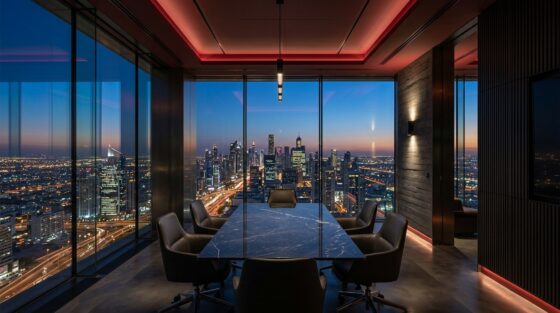

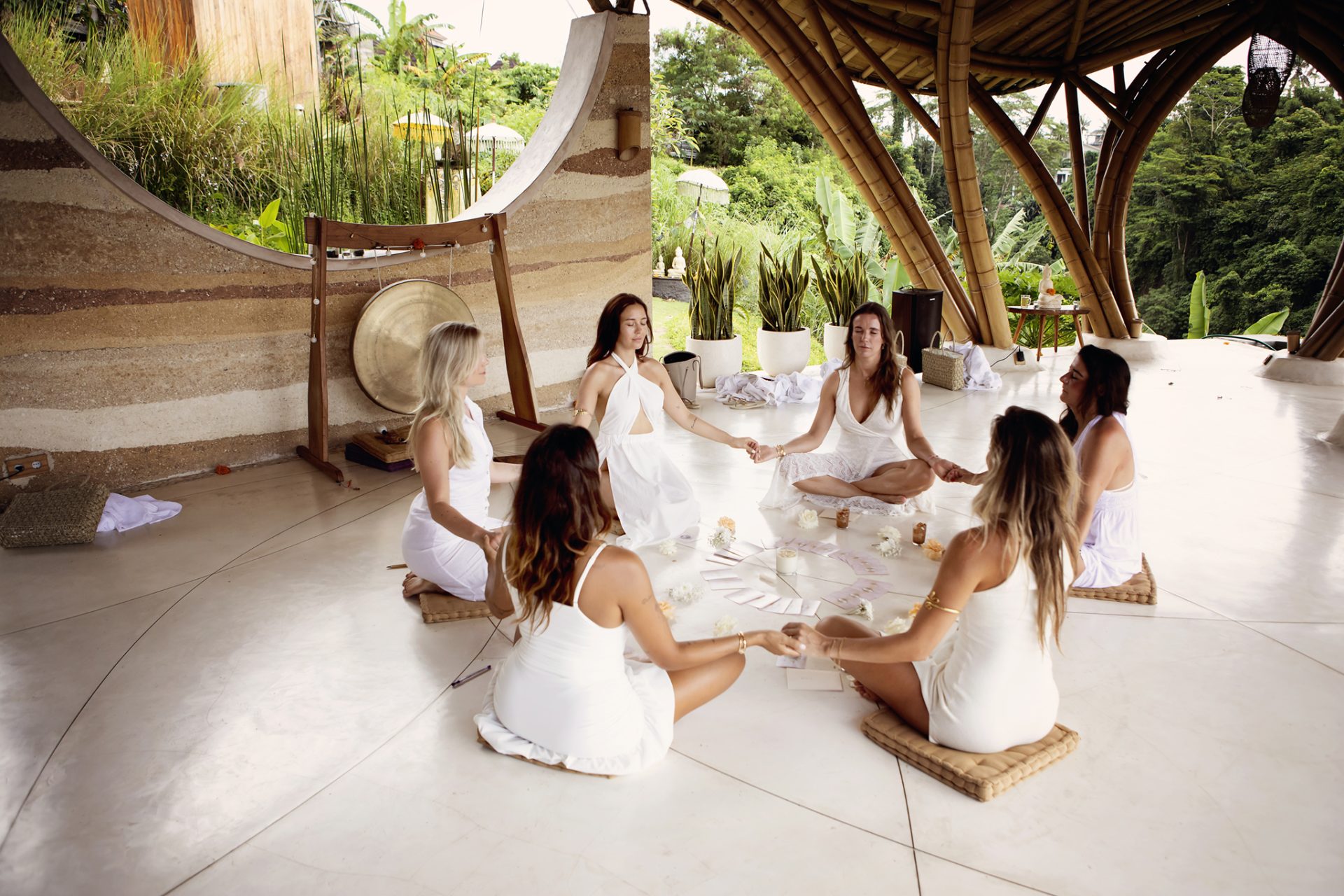
“Wellness adapts to changing energy and recovery needs.”
Take Away
Cycle-aware hospitality offers optional room temperature, nutrition, movement, pain relief and rest choices informed by menstrual or hormonal phases. Furthermore, Recognising cyclical experiences can make care feel more humane and reduce the quiet work guests do to adapt generic programmes to their own needs.
The wider implication is hospitality designed for fluctuating bodies, including menopause and recovery. Care becomes flexible rather than prescriptive.
The Sign
What Is It?
Cycle-aware hospitality offers optional room temperature, nutrition, movement, pain relief and rest choices informed by menstrual or hormonal phases. Furthermore, It is not a rigid programme or a diagnosis. Instead, it gives guests more language and control over changing needs.
The important shift is from asking guests to adapt to the programme to allowing the programme to adapt to them.
Hospitality can offer choices without making diagnoses.
Why Is It Cool?

Much luxury wellness still assumes a universal body and a relentless improvement schedule. Cycle-aware hospitality challenges this idea by recognising that energy, comfort and recovery can change over time.
That can make the experience feel more humane. Furthermore, It also reduces the quiet work guests do to adapt generic programmes themselves.
EXAMPLES
- Praana Ayurveda Boutique Hotel offers a women’s wellness retreat built around changing energy, stress and menstrual cycles, with personalised treatments and nourishment.
- Hotel Hanalei Bay partnered with Alo Moves on SYNCD, a cycle-aware movement programme filmed at the property.
Why Does It Have Future Growth Potential?

Femtech, women’s health research and personalised wellness are growing. Furthermore, This creates an opportunity for resorts, spas and urban clubs to offer more responsive experiences, with evidence-informed options and guest privacy at the centre.
The wider opportunity goes beyond menstrual cycles. Furthermore, Hospitality can become better designed for fluctuating bodies and changing needs, including menopause and recovery.
The future is not necessarily more wellness. Furthermore, It is wellness that knows when to adapt.
30 comments
HOW COOL IS THIS “SEED”?
● ● ● ● ○
DOES IT HAVE FUTURE GROWTH POTENTIAL?
● ● ● ● ○
The future signal is hospitality adapting to fluctuating needs rather than optimising one assumed body. The examples suggest different approaches, not one established standard. Growth should preserve optional choice and keep comfort services clearly separate from diagnosis or unsubstantiated treatment claims.
HOW COOL IS THIS “SEED”?
● ● ● ● ○
DOES IT HAVE FUTURE GROWTH POTENTIAL?
● ● ● ● ●
Wellness culture often celebrates the same body story: wake up, push harder, improve. Cycle-aware hospitality introduces another rhythm, one that includes rest and fluctuation without treating them as failure. That could change hotel gyms, menus and even nightlife programming. The interesting cultural shift is from displaying discipline to understanding your own body—and choosing what it needs without apology.
HOW COOL IS THIS “SEED”?
● ● ● ● ●
DOES IT HAVE FUTURE GROWTH POTENTIAL?
● ● ● ● ○
Permission to rest can make a wellness stay feel kinder. I like the idea of changing the programme around the person. I would want the options to remain discreet, so nobody feels publicly labelled because they chose a slower morning or different meal.
HOW COOL IS THIS “SEED”?
● ● ● ● ○
DOES IT HAVE FUTURE GROWTH POTENTIAL?
● ● ● ● ○
A food request should reach the right team without carrying unnecessary personal details. The guest can describe what they would enjoy and tolerate today. Staff training needs to make that exchange simple, respectful and accurate rather than another opportunity to offer a diagnosis.
HOW COOL IS THIS “SEED”?
● ● ● ● ●
DOES IT HAVE FUTURE GROWTH POTENTIAL?
● ● ● ● ●
A hotel that anticipates changing energy, temperature and rest needs can return valuable time otherwise lost to discomfort and explanation. The luxury is not constant monitoring; it is effortless control. Guests should be able to set preferences once, change them instantly and delete the data. Convenience becomes care only when autonomy remains visible.
HOW COOL IS THIS “SEED”?
● ● ● ● ○
DOES IT HAVE FUTURE GROWTH POTENTIAL?
● ● ● ● ●
Private, highly personalised health support is becoming a status category among Asia’s wealthy, but cycle awareness could also normalise better service beyond the elite. The premium signal is discretion and control, not a conspicuous programme. Hotels that handle this well may earn unusual loyalty, because trust around intimate needs is harder to copy than an amenity.
HOW COOL IS THIS “SEED”?
● ● ● ● ●
DOES IT HAVE FUTURE GROWTH POTENTIAL?
● ● ● ● ●
An ultra-luxury resort should be able to redesign a day around the guest’s actual body, not force everyone through the same sunrise hike and tasting menu. The experience could shift quietly between warmth, movement, food and rest. The spectacular part is invisible coordination. No guest should feel that intimate data has become staff gossip.
HOW COOL IS THIS “SEED”?
● ● ● ● ●
DOES IT HAVE FUTURE GROWTH POTENTIAL?
● ● ● ● ●
This is a major correction to wellness culture’s obsession with constant output. Bodies move through phases, and a thoughtful retreat can support rather than override them. The strongest programmes will combine guest choice, clinical caution and traditional knowledge without making universal claims. Menstruation, menopause and recovery deserve different pathways, not one fashionable protocol.
HOW COOL IS THIS “SEED”?
● ● ● ● ●
DOES IT HAVE FUTURE GROWTH POTENTIAL?
● ● ● ● ●
A private digital layer could let guests adjust room temperature, meals and movement without explaining themselves face to face. That is useful, especially for younger travellers used to responsive interfaces. But the data should stay minimal and temporary. The best design makes the service adaptive while allowing the person to remain anonymous if she prefers.
The interface could remember a simple comfort preference without retaining its reason. That may help staff deliver consistently while giving the guest more control over sensitive information.
HOW COOL IS THIS “SEED”?
● ● ● ● ●
DOES IT HAVE FUTURE GROWTH POTENTIAL?
● ● ● ● ●
Food is one of the most practical ways to make cycle-aware hospitality feel caring rather than clinical. Flexible portions, comforting preparations, iron-rich ingredients and regional traditions can offer choice without claiming to treat a condition. I would involve chefs and women’s health experts together, so the menu respects both evidence and the emotional role of eating.
HOW COOL IS THIS “SEED”?
● ● ● ● ○
DOES IT HAVE FUTURE GROWTH POTENTIAL?
● ● ● ● ●
The future objects here may be deceptively simple: a beautifully designed heat source, adjustable bedding, discreet lighting or tableware that makes nourishment easier. Technology should disappear into those objects. A room becomes luxurious when each item can respond without looking medical, while remaining intuitive enough that the guest never needs an instruction manual.
HOW COOL IS THIS “SEED”?
● ● ● ● ●
DOES IT HAVE FUTURE GROWTH POTENTIAL?
● ● ● ● ●
This could redefine personalised hospitality because it responds to a changing state rather than a fixed preference. The guest may want quiet today and movement tomorrow. Staff should offer options without assumptions and recover gracefully if they misread the situation. Luxury lies in being able to change course without having to justify the body.
HOW COOL IS THIS “SEED”?
● ● ● ● ●
DOES IT HAVE FUTURE GROWTH POTENTIAL?
● ● ● ● ●
Cycle awareness belongs in the future of body luxury, but it must not become hormone theatre. Evidence varies, and no hotel app should diagnose a guest. The credible opportunity is optional support: temperature, pain relief, nutrition, training and rest shaped by informed preference. Privacy, practitioner quality and conservative language will separate care from wellness marketing.
HOW COOL IS THIS “SEED”?
● ● ● ● ○
DOES IT HAVE FUTURE GROWTH POTENTIAL?
● ● ● ● ●
The concept is strongest when it looks like thoughtful hospitality rather than a themed package. A warmer room, different breakfast and permission to rest can be offered with complete discretion. I would avoid pink branding, explanatory merchandise and visible “cycle” signals. Quiet wealth increasingly means receiving exactly what helps without being made into an audience.
HOW COOL IS THIS “SEED”?
● ● ● ● ●
DOES IT HAVE FUTURE GROWTH POTENTIAL?
● ● ● ● ○
Feeling understood does not require the hotel to know everything about a guest. It requires choices and a respectful response when needs change. The emotional benefit comes from making those changes easy, while letting the person decide what to explain and what to keep private.
HOW COOL IS THIS “SEED”?
● ● ● ● ●
DOES IT HAVE FUTURE GROWTH POTENTIAL?
● ● ● ● ●
Women’s health is growing rapidly in China, especially through digital communities where consumers exchange knowledge before institutions respond. Hotels could connect private preference settings with flexible physical service. Trust will be decisive: data practices, expert partnerships and tone must be clear. A patronising “ladies package” would be rejected immediately.
HOW COOL IS THIS “SEED”?
● ● ● ● ○
DOES IT HAVE FUTURE GROWTH POTENTIAL?
● ● ● ● ●
Wellness spaces often look different but demand the same performance: wake up early, optimise, document. Cycle-aware hospitality disrupts that culture by treating fluctuation as normal. I want to see the idea influence small hotels, gyms and clubs too, not only expensive retreats. Its most radical feature may simply be allowing rest without turning it into a product.
HOW COOL IS THIS “SEED”?
● ● ● ● ○
DOES IT HAVE FUTURE GROWTH POTENTIAL?
● ● ● ● ●
Beauty and wellness brands will quickly want to attach products and ambassadors to this conversation. That visibility could help, but it could also make an intimate need feel commercial. The credible luxury partnership would be quiet, expert-led and useful in the room. Celebrity testimony should never substitute for evidence or individual choice.
HOW COOL IS THIS “SEED”?
● ● ● ● ○
DOES IT HAVE FUTURE GROWTH POTENTIAL?
● ● ● ● ○
Flexible food, room temperature and activity choices may remove small frustrations that affect a whole stay. I would first ask which options guests actually use. Useful care should be available without making every preference into another premium package to purchase.
HOW COOL IS THIS “SEED”?
● ● ● ● ○
DOES IT HAVE FUTURE GROWTH POTENTIAL?
● ● ● ● ○
Staff need practical language for offering comfort without requesting intimate explanations. A guest can choose warmth or a quieter activity simply because it suits them. Cross-cultural training matters here, particularly where discussing menstrual needs with unfamiliar staff may feel uncomfortable.
HOW COOL IS THIS “SEED”?
● ● ● ● ○
DOES IT HAVE FUTURE GROWTH POTENTIAL?
● ● ● ● ○
Responsive options could create loyalty when guests feel understood. The commercial opportunity depends on trust and delivery rather than attaching a fashionable label to an unchanged programme. I would test the useful features individually before expanding the offer.
HOW COOL IS THIS “SEED”?
● ● ● ● ●
DOES IT HAVE FUTURE GROWTH POTENTIAL?
● ● ● ● ●
The best part is choice. A guest should not have to explain discomfort repeatedly or accept a wellness schedule built around constant energy. Simple options—quieter movement, warmth, different food, permission to rest—can communicate real care. Staff training and privacy are crucial: support should be available without assumptions, awkward questions or a visible label attached to the guest.
HOW COOL IS THIS “SEED”?
● ● ● ● ●
DOES IT HAVE FUTURE GROWTH POTENTIAL?
● ● ● ● ●
Women’s health and personalised wellness already have strong consumer momentum, especially when digital tools connect to a physical service. A hotel could let guests select preferences privately before arrival and adjust them at any time. The opportunity is substantial, but trust will decide adoption. Brands must explain what data is stored, avoid diagnosis and make every feature useful even without sharing cycle information.
HOW COOL IS THIS “SEED”?
● ● ● ● ○
DOES IT HAVE FUTURE GROWTH POTENTIAL?
● ● ● ● ○
The operational challenge is allowing a guest’s preference to change tomorrow. Someone may want movement today and rest later in the stay. A team that communicates those choices discreetly can offer continuity without requiring the guest to repeat personal information.
HOW COOL IS THIS “SEED”?
● ● ● ● ○
DOES IT HAVE FUTURE GROWTH POTENTIAL?
● ● ● ○ ○
Flexible menus and schedules require staff capacity and coordination. I would examine the cost of making those options consistently available. The basic comfort offer may be easier to sustain than a specialist programme carrying expectations the hotel cannot reliably meet.
HOW COOL IS THIS “SEED”?
● ● ● ● ○
DOES IT HAVE FUTURE GROWTH POTENTIAL?
● ● ● ● ○
The strongest purpose is reducing the work guests do to fit a standard programme. That benefit should extend beyond a narrowly branded package. Involving people with different changing needs could help the hotel design options that feel inclusive rather than categorising everyone in advance.
HOW COOL IS THIS “SEED”?
● ● ● ● ○
DOES IT HAVE FUTURE GROWTH POTENTIAL?
● ● ● ● ●
This is not rare because of an expensive treatment; it is rare because attentive, evidence-based care is still difficult to access while travelling. The most valuable elements may be very simple—privacy, warmth, time and food prepared with understanding. Hotels should resist turning women’s health into a branded package. Discretion and trusted practitioners will make the service feel precious.
A menu can describe ingredients and preparation plainly. That leaves room for cultural warmth and personal choice without presenting a familiar food as an evidence-based treatment.
HOW COOL IS THIS “SEED”?
● ● ● ● ○
DOES IT HAVE FUTURE GROWTH POTENTIAL?
● ● ● ● ○
Care begins with asking how the guest wants to spend the day. The programme should give people language without prescribing an identity. A person who chooses rest need not disclose a cycle phase or explain why their energy feels different today.
Rate & Discuss this Signal
Calibrate the Future Signals Index with your rating below, and share your perspective in the community dialogue.
Evaluate this Creative Signal
Help calibrate the Future Signals Index. Rate this Seed on both key criteria below (scale: 2 to 10).