






“What if luxury’s next exotic skin comes not from an exotic animal, but from an animal already being eaten?”
Take Away
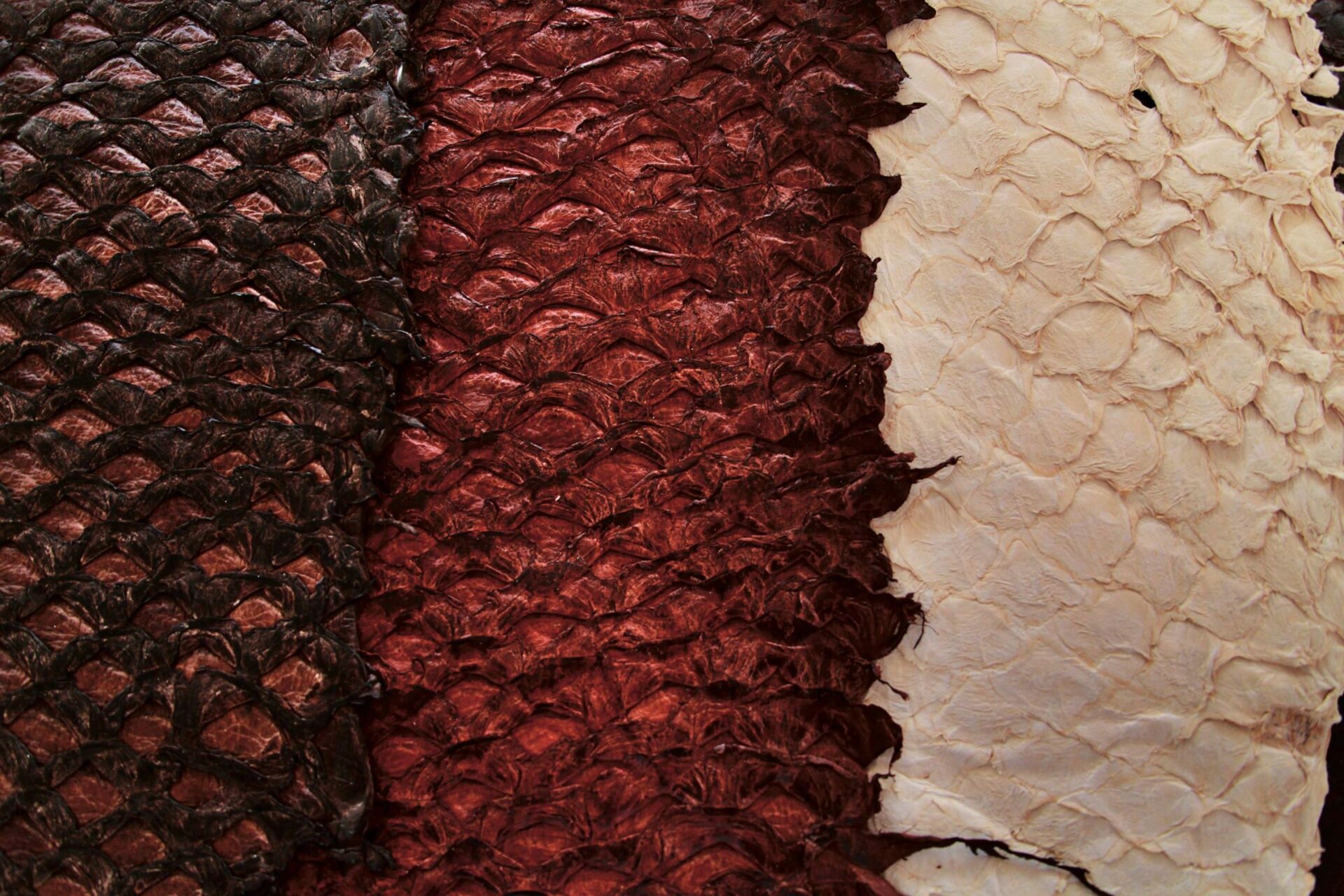
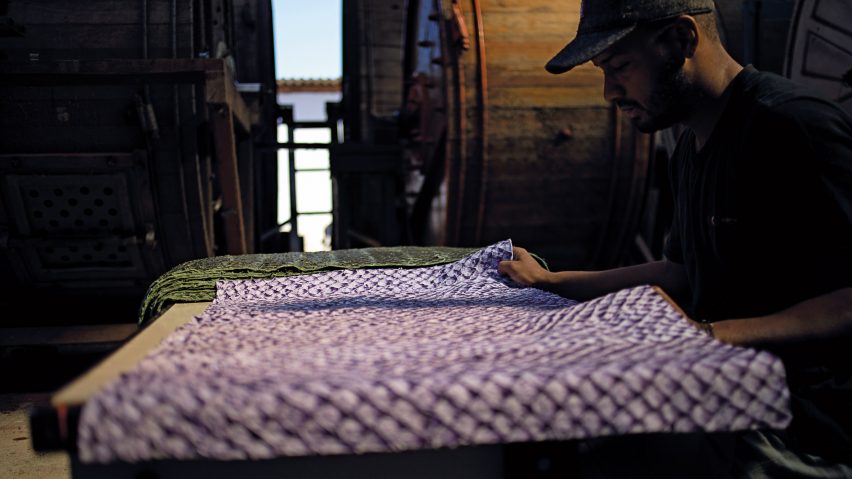
In the Amazon, the enormous pirarucu fish has an equally enormous skin. Furthermore, Once treated largely as a leftover of the food chain, it is now being cleaned, tanned and turned into highly distinctive leather for fashion and design.
Its extraordinary scale pattern does something conventional luxury leather rarely does: it reveals what it is. You don’t need a logo to recognise the material.
The Sign

What Is It?
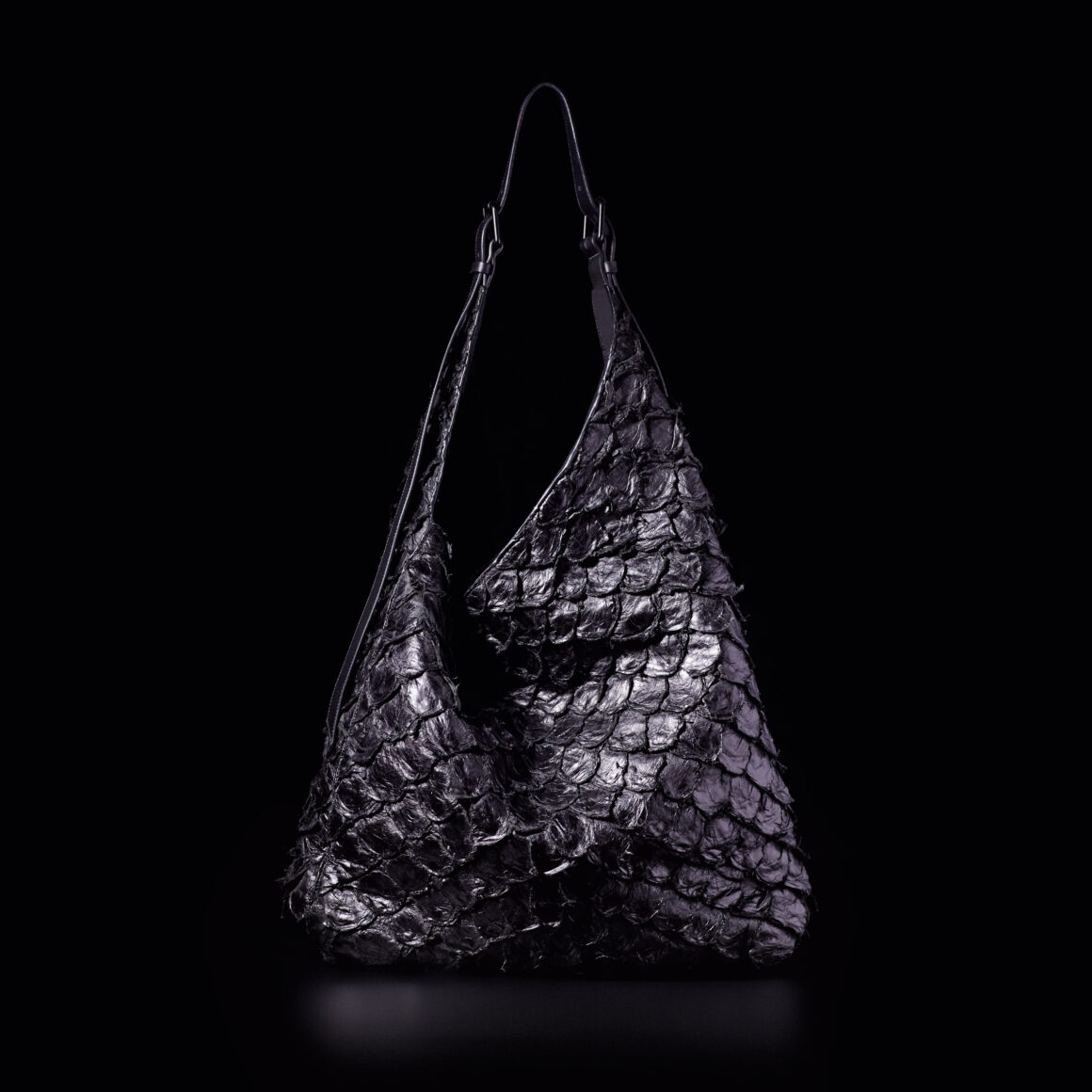
Pirarucu is one of the world’s largest freshwater fish, native to the Amazon. Furthermore, Skins from regulated fisheries can be cleaned, tanned and transformed into bags, shoes, accessories and other design applications.
The enormous, almost armour-like pattern gives every piece a visual identity that cannot easily be reproduced by conventional leather. Furthermore, It connects the finished object directly to a particular animal, ecosystem and place.
What was once a secondary material of the food economy becomes the primary attraction of the luxury object.
Why Is It Cool?
Luxury leather has traditionally been about perfection: smoothness, consistency, softness, immaculate finishing.
Pirarucu introduces something different.
Its beauty lies partly in the evidence that it once belonged to something alive. Furthermore, The scales remain visible. In addition, The material carries its own biography.
A crocodile bag can signal rarity because the animal itself is rare, expensive or tightly controlled. Furthermore, Pirarucu can signal rarity in another way: because almost nobody has seen this particular material turned into luxury.
Its exoticism comes from familiarity being interrupted. We know fish. Furthermore, We know leather. In addition, But fish becoming luxury leather creates a strange and memorable collision between the two.
In a world saturated with recognisable logos and increasingly sophisticated imitation, a surface that can only be explained by knowing what it actually is has its own form of luxury status.
Why Does It Have Future Growth Potential?
The interesting future is not simply that fashion will discover “more sustainable materials.”
It is that waste, by-products and previously overlooked biological materials can acquire cultural value once designers learn how to reveal rather than disguise their origins.
Pirarucu points towards a different material culture: one in which the story of a product doesn’t begin at the factory but much earlier — with a species, a landscape and an existing economic activity.
Traceability, fishing management and who captures the economic value therefore become part of the luxury proposition itself.
That makes pirarucu more interesting than another “eco leather.” Its ecological story cannot be separated from its desirability.
And that may be the real future opportunity: luxury materials whose environmental and cultural complexity is not hidden in the small print, but becomes part of what makes them desirable.
Key Trend Insight
For centuries, luxury has been remarkably good at disconnecting the beautiful object from the messy reality that produced it.
The polished handbag hides the animal.
The perfect fabric hides the farm.
The finished product hides the resource.
Pirarucu does almost the opposite.
It puts the biology back on the surface.
Could that become a new luxury code?
In pirarucu, the fish doesn’t disappear when it becomes leather.
It becomes the design.

30 comments
HOW COOL IS THIS “SEED”?
● ● ● ● ○
DOES IT HAVE FUTURE GROWTH POTENTIAL?
● ● ● ○ ○
The emotional value depends on a truthful relationship between object and origin. I would keep the complexity visible instead of turning it into a simple environmental slogan. Luxury can make people curious enough to learn, provided the story remains open to examination.
HOW COOL IS THIS “SEED”?
● ● ● ● ○
DOES IT HAVE FUTURE GROWTH POTENTIAL?
● ● ● ○ ○
A material with a specific origin can give a shop encounter something worth explaining. I would ask whether customers value that knowledge enough to choose the product and care for it. The story should help a useful purchase rather than compensate for a disappointing object.
HOW COOL IS THIS “SEED”?
● ● ● ● ○
DOES IT HAVE FUTURE GROWTH POTENTIAL?
● ● ● ○ ○
Hospitality retail could introduce an unfamiliar material through touch and a clear account of its origin. I would avoid assuming that every international guest responds to the same idea of rarity. Practical care information may be the first thing someone wants to know.
HOW COOL IS THIS “SEED”?
● ● ● ● ○
DOES IT HAVE FUTURE GROWTH POTENTIAL?
● ● ● ○ ○
The distinctive surface could help a product stand apart, but hotels need confidence in sourcing and supply. I would treat a small, traceable selection differently from a large procurement opportunity. Growth should preserve the reasons the material is interesting in the first place.
HOW COOL IS THIS “SEED”?
● ● ● ● ○
DOES IT HAVE FUTURE GROWTH POTENTIAL?
● ● ● ○ ○
A material can make a place’s story tangible when its origin is explained honestly. I would want guests to understand who supplied it and how it is cared for. That is a more useful hospitality lesson than copying an unusual surface into another setting.
HOW COOL IS THIS “SEED”?
● ● ● ● ○
DOES IT HAVE FUTURE GROWTH POTENTIAL?
● ● ● ○ ○
If demand expands, the incentives around supply deserve attention. I would ask how sourcing and resource management change with a premium market. A striking specialist product and a stable material business are different achievements, and need different evidence.
HOW COOL IS THIS “SEED”?
● ● ● ● ○
DOES IT HAVE FUTURE GROWTH POTENTIAL?
● ● ● ○ ○
The people managing and processing the resource belong in the luxury story. I would want to know how value reaches them. A product can connect a buyer to a place more meaningfully when that relationship is economic as well as visual.
HOW COOL IS THIS “SEED”?
● ● ● ● ○
DOES IT HAVE FUTURE GROWTH POTENTIAL?
● ● ● ○ ○
The surface invites a question that could open a thoughtful cultural conversation. A host should have an accurate answer rather than an exotic anecdote. Local knowledge deserves a voice in how the material is introduced to people encountering it for the first time.
HOW COOL IS THIS “SEED”?
● ● ● ● ○
DOES IT HAVE FUTURE GROWTH POTENTIAL?
● ● ● ○ ○
The interesting signal is a buyer wanting the origin to remain visible. I would follow whether that curiosity leads to questions about the supply chain. Visible difference has stronger future significance when people also care about the relationships behind the product.
HOW COOL IS THIS “SEED”?
● ● ● ● ○
DOES IT HAVE FUTURE GROWTH POTENTIAL?
● ● ● ○ ○
A sales or hospitality team needs straightforward information about handling and care. The first touch may intrigue someone, but confidence develops through useful answers. I would rather hear an honest limit to what staff know than an impressive story they cannot support.
HOW COOL IS THIS “SEED”?
● ● ● ● ○
DOES IT HAVE FUTURE GROWTH POTENTIAL?
● ● ● ○ ○
An unfamiliar texture could make people look again at something they thought they understood. I am curious whether the response is attraction, hesitation or both. The object should leave room for those reactions instead of assuming that unusual automatically means desirable.
HOW COOL IS THIS “SEED”?
● ● ● ● ○
DOES IT HAVE FUTURE GROWTH POTENTIAL?
● ● ● ○ ○
I would introduce the object by letting someone look and ask questions at their own pace. A specific material can carry a rich story, but the host should not turn curiosity into pressure to admire it. An honest encounter can include reservations too.
HOW COOL IS THIS “SEED”?
● ● ● ● ○
DOES IT HAVE FUTURE GROWTH POTENTIAL?
● ● ● ○ ○
The cultural movement interests me: something overlooked acquires value in a different setting. Who notices it first, and who gets credit for that discovery? I would listen to makers and users outside the luxury world before letting the brand define the whole story.
HOW COOL IS THIS “SEED”?
● ● ● ● ●
DOES IT HAVE FUTURE GROWTH POTENTIAL?
● ● ● ○ ○
A rare encounter with a material is different from a rare species, and that distinction matters. I would want sourcing and benefit-sharing to be clear. The place and the people behind the object deserve as much attention as its unusual appearance.
A higher shop price does not show where the margin goes. Sourcing rules and benefit-sharing need to be understood together before using growth as a positive conclusion.
HOW COOL IS THIS “SEED”?
● ● ● ○ ○
DOES IT HAVE FUTURE GROWTH POTENTIAL?
● ● ● ○ ○
An object deserves lasting attention if it remains useful after the surprise wears off. I would ask how it ages and what care it needs. A demanding maintenance routine could change how much pleasure the owner gets from the material in everyday life.
HOW COOL IS THIS “SEED”?
● ● ● ● ○
DOES IT HAVE FUTURE GROWTH POTENTIAL?
● ● ● ○ ○
Recognising an unfamiliar material offers a kind of insider knowledge. I would watch whether owners become interested in its origin or merely enjoy knowing something others do not. The former could support a more durable relationship than novelty alone.
HOW COOL IS THIS “SEED”?
● ● ● ● ○
DOES IT HAVE FUTURE GROWTH POTENTIAL?
● ● ● ○ ○
A resort could make a small encounter with local making memorable, but the material needs a reason to be there. I would prefer meeting a knowledgeable maker to seeing an unexplained exotic finish. The experience should deepen understanding rather than add another spectacle.
HOW COOL IS THIS “SEED”?
● ● ● ○ ○
DOES IT HAVE FUTURE GROWTH POTENTIAL?
● ● ○ ○ ○
Natural origin does not automatically make a finished material healthier or environmentally preferable. I would keep those claims separate from the design’s appeal. Transparent processing information gives people a better basis for deciding whether the object fits their preferences.
HOW COOL IS THIS “SEED”?
● ● ● ● ○
DOES IT HAVE FUTURE GROWTH POTENTIAL?
● ● ● ○ ○
A digital product record could make origin easier to examine, provided the information is verifiable. I would like to see specific sourcing and care details rather than a badge that says sustainable. The interface should make questions easier to ask, not hide complexity behind an icon.
HOW COOL IS THIS “SEED”?
● ● ● ● ●
DOES IT HAVE FUTURE GROWTH POTENTIAL?
● ● ● ○ ○
The connection between food and material production deserves careful explanation. I would ask how the two activities fit together economically. A valuable secondary use is interesting, but the premium product should not quietly change the incentives governing the original resource.
HOW COOL IS THIS “SEED”?
● ● ● ● ●
DOES IT HAVE FUTURE GROWTH POTENTIAL?
● ● ● ○ ○
I would want to understand how makers work with variation in the surface. Does the finished object let that character guide its design? Careful construction could make the material feel purposeful rather than simply unusual, especially once it begins to show wear.
HOW COOL IS THIS “SEED”?
● ● ● ● ○
DOES IT HAVE FUTURE GROWTH POTENTIAL?
● ● ● ○ ○
Meeting someone who can explain the material could make the experience richer than buying a rare object alone. I would want the encounter to include practical knowledge and difficult questions. Curiosity becomes more rewarding when the host does not need every answer to sound glamorous.
HOW COOL IS THIS “SEED”?
● ● ● ○ ○
DOES IT HAVE FUTURE GROWTH POTENTIAL?
● ● ○ ○ ○
I would ask for specific information before accepting claims about safety or sustainability. A natural-looking surface cannot answer those questions. The material can be visually compelling while its processing, suitability and environmental performance remain separate matters to examine.
HOW COOL IS THIS “SEED”?
● ● ● ● ○
DOES IT HAVE FUTURE GROWTH POTENTIAL?
● ● ● ○ ○
An object can carry a distinctive identity without an added emblem. I would still want its ordinary qualities to be excellent: feel, construction and ageing. Quiet ownership becomes satisfying when the material keeps rewarding attention after nobody is surprised by it anymore.
HOW COOL IS THIS “SEED”?
● ● ● ● ○
DOES IT HAVE FUTURE GROWTH POTENTIAL?
● ● ● ○ ○
The surprise makes this easy to share online. I would watch whether the next conversation is about origin and making or simply another unusual purchase. Desire can deepen when customers find reliable information beyond the first arresting image.
HOW COOL IS THIS “SEED”?
● ● ● ● ●
DOES IT HAVE FUTURE GROWTH POTENTIAL?
● ● ● ○ ○
The surface is interesting enough without another badge attached to it. I would want plain information about processing and where the money goes. A new material should reduce the distance between buyer and maker rather than give that distance a more adventurous appearance.
Construction and documentation could support the same aim. The object can reveal the material visually, while a clear record makes the relationship with its makers easier to understand.
HOW COOL IS THIS “SEED”?
● ● ● ● ○
DOES IT HAVE FUTURE GROWTH POTENTIAL?
● ● ● ○ ○
This could become a code that asks an owner to explain what they are carrying. I am curious whether that explanation becomes part of the pleasure. The object needs appeal beyond the discovery story if it is to remain desirable after the material becomes better known.
HOW COOL IS THIS “SEED”?
● ● ● ● ○
DOES IT HAVE FUTURE GROWTH POTENTIAL?
● ● ● ○ ○
Customers discovering an unfamiliar material will need clear photographs, useful care advice and an opportunity to ask questions. I would watch what makes them hesitate before buying. Honest answers may build more trust than treating every uncertainty as proof of exclusivity.
Rate & Discuss this Signal
Calibrate the Future Signals Index with your rating below, and share your perspective in the community dialogue.
Evaluate this Creative Signal
Help calibrate the Future Signals Index. Rate this Seed on both key criteria below (scale: 2 to 10).