





Indeed, training Incarcerated Individuals in Professional Culinary Arts Proves That Restorative Hospitality Can Transform Human Destinies.
Operating inside working correctional facilities across the United Kingdom, the clink charity restaurant initiative reimagines social rehabilitation through gourmet dining. Specifically, the non-profit charity equips serving prisoners with industry-recognized culinary and service qualifications inside professional restaurant environments. Consequently, the program reduces reoffending rates by half while serving exceptional meals to the public.
What Is The Clink Charity Restaurant Initiative?
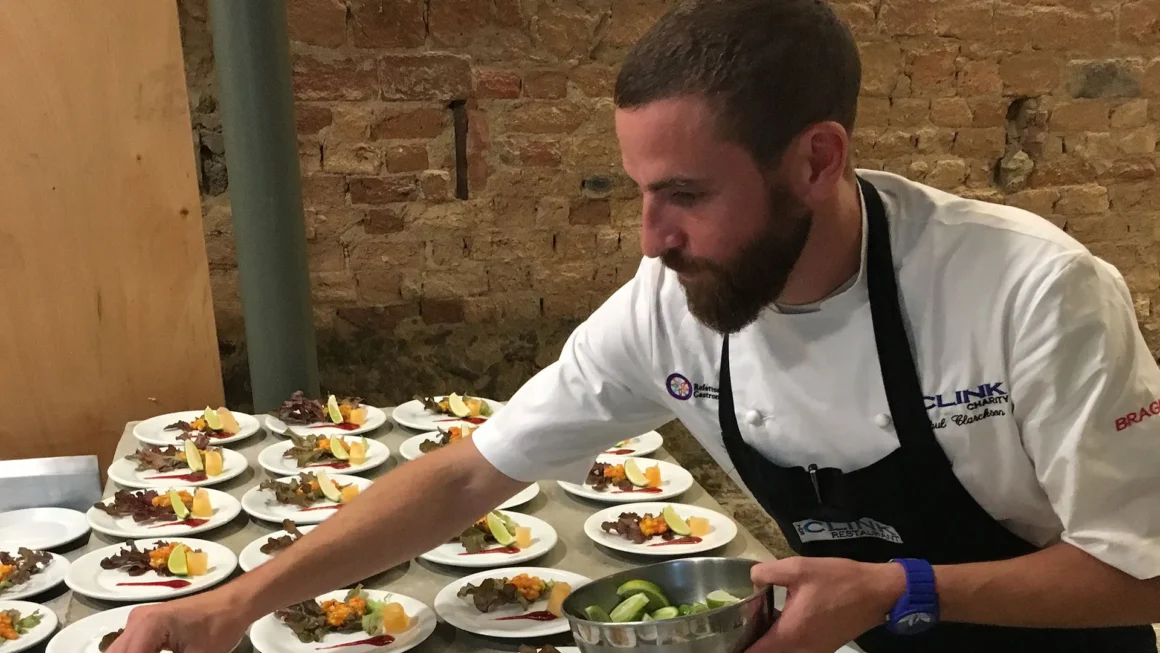
To begin with, trainees work full-time forty-hour weeks under the mentorship of certified chef trainers and front-of-house hospitality managers. Furthermore, students study toward nationally accredited City & Guilds NVQ certifications in food preparation, culinary kitchen operations, and fine dining service. The rigorous environment instills self-discipline, teamwork, and professional pride.
In addition, dedicated support mentors assist graduates upon release with securing stable housing, essential tools, and permanent employment across top restaurants. Meanwhile, members of the public enjoy seasonal British menus prepared with organic vegetables harvested from prison gardens. Therefore, the dining experience challenges deep social prejudices while building genuine second chances.
Why Is This Social Enterprise Restaurant Cool?
- Remarkable Rehabilitation Impact: Independent audits prove that Clink graduates show reoffending rates under fifteen percent compared to national averages. Similar to mastery in physical craft, kitchen discipline rebuilds personal character.
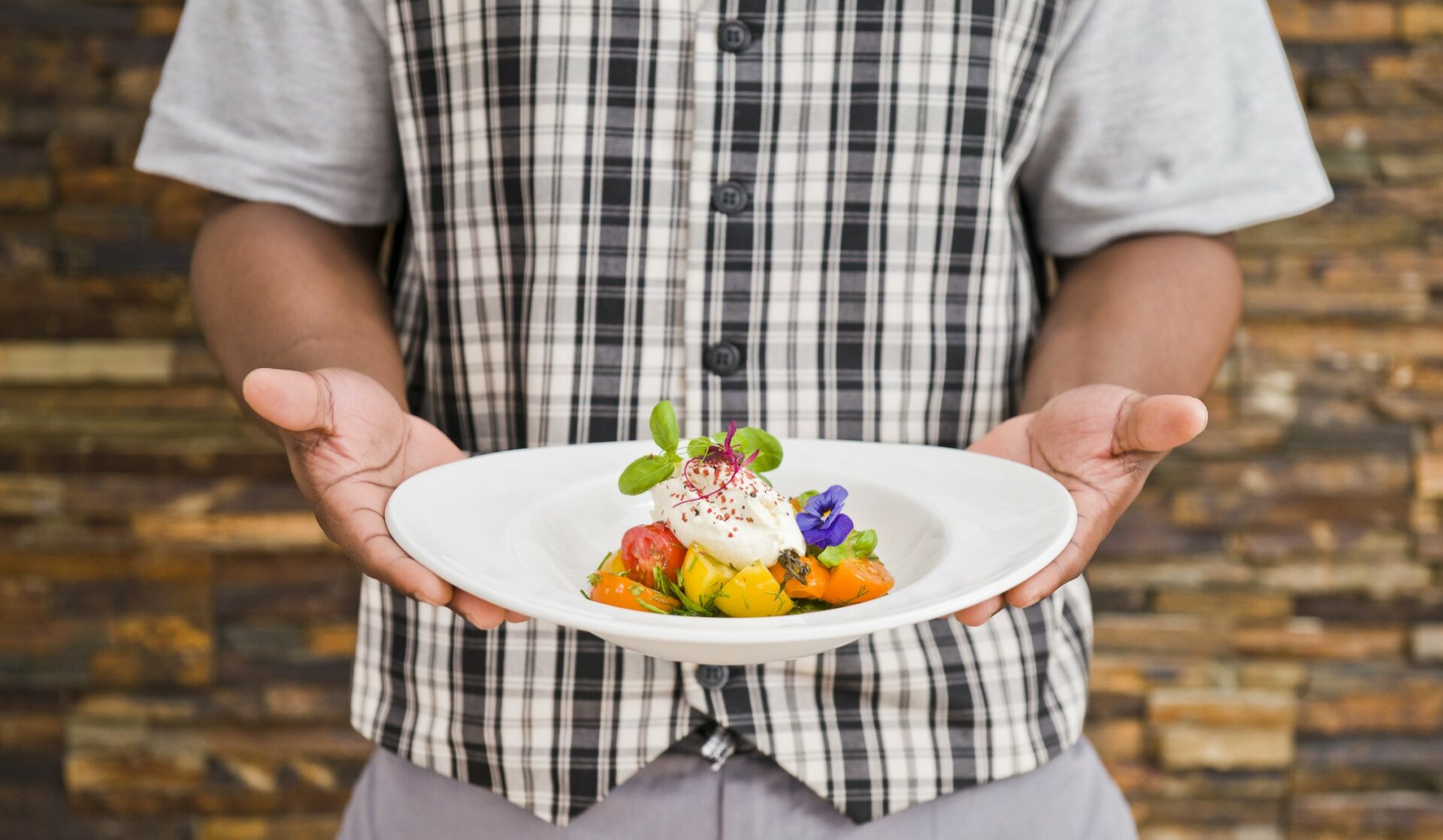
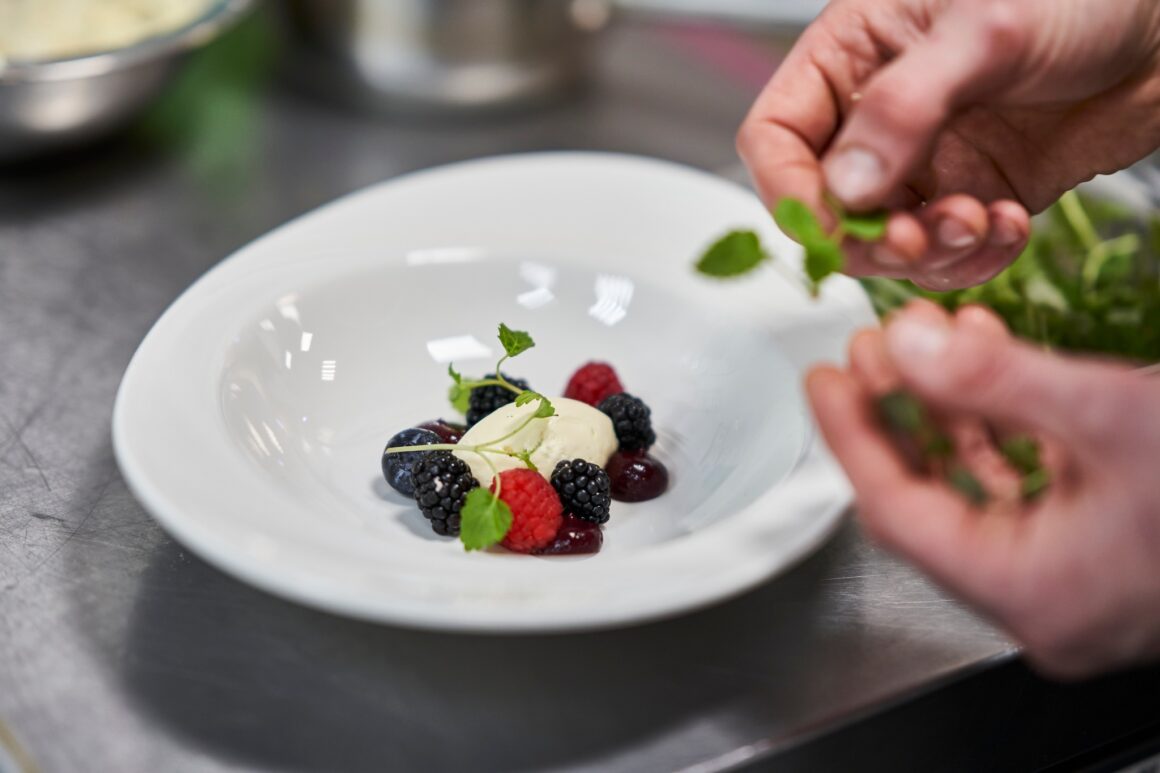
- First-Class Gourmet Dining: Diners enjoy exquisitely presented, seasonal dishes rivaling upscale high-street bistros.
- Comprehensive Post-Release Support: In fact, dedicated resettlement workers guide trainees through employment interviews and transitional hurdles.
- Bridging Social Divides: Interacting directly with student waitstaff dismantles public stigma surrounding former offenders.
Why Does Social Impact Gastronomy Have Growth Potential?
Moreover, The global restaurant industry faces acute culinary labor shortages while consumers actively champion businesses that support social justice and rehabilitation. Because vocational prison programs solve workforce gaps while reducing taxpayer costs associated with reincarceration, public-private culinary partnerships flourish. Therefore, social enterprise dining represents an inspiring, scalable hospitality blueprint.
The Take Away
In conclusion, The Clink demonstrates that the kitchen can be an extraordinary vehicle for human redemption and dignity. As a result, by substituting punitive isolation with purposeful culinary mastery, society reaps profound rewards. Ultimately, When you invest in human potential, second chances become remarkable futures.
Reference Link: The Clink Charity Official Portal
30 comments
HOW COOL IS THIS “SEED”?
● ● ● ● ●
DOES IT HAVE FUTURE GROWTH POTENTIAL?
● ● ● ● ●
Diners can contribute to a respectful atmosphere through patience and ordinary courtesy. A warm exchange does not require asking personal questions. The human value is strongest when participants are treated as professionals in development rather than expected to deliver an inspiring story alongside service.
HOW COOL IS THIS “SEED”?
● ● ● ● ●
DOES IT HAVE FUTURE GROWTH POTENTIAL?
● ● ● ● ●
The experience should leave space for an ordinary, relaxed meal. I would avoid an atmosphere that asks guests or trainees to perform redemption. Quiet respect can support the programme without assigning a dramatic emotional meaning to every interaction.
HOW COOL IS THIS “SEED”?
● ● ● ● ●
DOES IT HAVE FUTURE GROWTH POTENTIAL?
● ● ● ● ○
Mentoring should include useful feedback, recognised skill development and preparation for future workplaces. Trainees need support that matches their actual tasks. The programme becomes more credible when progress is defined through learning and opportunity rather than simply completing a shift in front of visitors.
HOW COOL IS THIS “SEED”?
● ● ● ● ○
DOES IT HAVE FUTURE GROWTH POTENTIAL?
● ● ● ● ●
Local employers could give the programme a stronger connection to the surrounding community. Their role should involve real opportunities rather than promotional association. A restaurant encounter gains long-term value when the skills developed can travel into workplaces outside the original setting.
Employer relationships could turn training into a more dependable pathway. Useful mentoring and actual opportunities beyond the restaurant would matter more than a partnership that exists mainly in campaign material.
HOW COOL IS THIS “SEED”?
● ● ● ● ○
DOES IT HAVE FUTURE GROWTH POTENTIAL?
● ● ● ● ○
The social mission should remain distinct from environmental claims about the menu or operation. Both deserve specific evidence. I would ask how sourcing and waste are managed without assuming that a worthwhile training purpose also establishes the restaurant’s ecological performance.
HOW COOL IS THIS “SEED”?
● ● ● ● ○
DOES IT HAVE FUTURE GROWTH POTENTIAL?
● ● ● ● ●
Booking information should make entry requirements and practical arrangements straightforward. Clear preparation prevents avoidable confusion for guests and staff. The programme’s unusual context should not require people to discover essential restrictions only after arriving for a meal.
HOW COOL IS THIS “SEED”?
● ● ● ● ○
DOES IT HAVE FUTURE GROWTH POTENTIAL?
● ● ● ○ ○
The restaurant should resist turning its setting into a badge of unusual consumption. Desirability can come from good food and a credible purpose. The guest’s story should not overshadow the participants’ learning or make exclusivity more important than the programme’s everyday work.
HOW COOL IS THIS “SEED”?
● ● ● ● ○
DOES IT HAVE FUTURE GROWTH POTENTIAL?
● ● ● ● ○
A carefully hosted group visit needs clear expectations about conduct and privacy. Guests should not assume that a special booking provides unrestricted access or personal disclosures. Premium service can support considerate participation while leaving programme boundaries fully intact.
HOW COOL IS THIS “SEED”?
● ● ● ● ●
DOES IT HAVE FUTURE GROWTH POTENTIAL?
● ● ● ● ○
The social purpose can be meaningful without promises about emotional healing for diners or participants. I would keep the account focused on training and support. Individual experiences deserve respect without being converted into universal claims about transformation through a restaurant visit.
HOW COOL IS THIS “SEED”?
● ● ● ● ○
DOES IT HAVE FUTURE GROWTH POTENTIAL?
● ● ● ● ○
Digital booking can explain entry arrangements and programme information clearly. Participant privacy should guide any use of profiles or promotional stories. A useful interface supports the visit without making trainees’ personal histories a searchable part of the product.
HOW COOL IS THIS “SEED”?
● ● ● ● ○
DOES IT HAVE FUTURE GROWTH POTENTIAL?
● ● ● ● ○
Food quality and culinary learning should be central to the encounter. Diners need clear ingredients and dietary choices just as in any restaurant. The programme’s purpose is strengthened when the meal succeeds through skill rather than relying on goodwill to compensate for weak preparation.
HOW COOL IS THIS “SEED”?
● ● ● ● ○
DOES IT HAVE FUTURE GROWTH POTENTIAL?
● ● ● ● ○
Tools and service objects should support learning through dependable, practical use. Their design matters to both trainees and guests. I would value a working environment that makes tasks clear more than a themed presentation that draws attention mainly to the restaurant’s location.
HOW COOL IS THIS “SEED”?
● ● ● ○ ○
DOES IT HAVE FUTURE GROWTH POTENTIAL?
● ● ● ● ○
Access and participation should be described accurately for guests and trainees. The programme should also consider how different learners receive support. Inclusion becomes concrete through clear requirements and suitable opportunities rather than a broad invitation that overlooks individual circumstances.
HOW COOL IS THIS “SEED”?
● ● ● ● ○
DOES IT HAVE FUTURE GROWTH POTENTIAL?
● ● ● ○ ○
Professional kitchen and service standards need qualified supervision throughout training. The social purpose does not reduce those responsibilities. Clear guest information and practical oversight allow the programme to support learning without using reassuring language as a substitute for dependable procedures.
HOW COOL IS THIS “SEED”?
● ● ● ● ○
DOES IT HAVE FUTURE GROWTH POTENTIAL?
● ● ● ● ○
A restrained dining environment could let the food and professional encounter remain central. I would avoid decorative cues that sensationalise imprisonment. Quiet, considered service can communicate dignity more effectively than an experience designed around constant reminders of the setting.
HOW COOL IS THIS “SEED”?
● ● ● ● ○
DOES IT HAVE FUTURE GROWTH POTENTIAL?
● ● ● ● ○
Communication should foreground skills, food and substantiated programme results. Personal stories need genuine choice and careful context. A credible campaign can build interest without implying that diners purchase redemption or that every participant’s future has already been secured.
HOW COOL IS THIS “SEED”?
● ● ● ● ○
DOES IT HAVE FUTURE GROWTH POTENTIAL?
● ● ● ● ●
The concept deserves scrutiny if private hardship becomes entertainment for visitors. Its strength lies in concrete learning and fair opportunity. I would ask whose priorities guide the programme and whether participants retain meaningful control over how their work and identities are presented.
HOW COOL IS THIS “SEED”?
● ● ● ● ○
DOES IT HAVE FUTURE GROWTH POTENTIAL?
● ● ● ● ○
Culinary craft provides a valuable route to recognition through demonstrable skill. The setting should not eclipse that achievement. A carefully made dish and professional service let participants’ work be appreciated without requiring the guest to treat the encounter as an exceptional moral performance.
HOW COOL IS THIS “SEED”?
● ● ● ● ○
DOES IT HAVE FUTURE GROWTH POTENTIAL?
● ● ● ● ○
The layout needs to support supervised learning, guest service and clear boundaries. Visitors should understand where they can move without disrupting training. Spatial quality would be visible in how naturally the restaurant functions, rather than how dramatically it communicates its unusual location.
HOW COOL IS THIS “SEED”?
● ● ● ● ●
DOES IT HAVE FUTURE GROWTH POTENTIAL?
● ● ● ● ○
The emotional connection can come from respectful hospitality and appreciation of practical skill. The guest should not expect a personal confession or guaranteed inspiration. Honest programme information and a good meal would create trust while preserving the dignity of the people doing the work.
HOW COOL IS THIS “SEED”?
● ● ● ● ●
DOES IT HAVE FUTURE GROWTH POTENTIAL?
● ● ● ● ●
The restaurant links a service business with a training purpose, creating a clear proposition. I would assess meal quality, programme costs and participant outcomes separately. Commercial success should help sustain the learning opportunity rather than make the unusual setting its main product.
HOW COOL IS THIS “SEED”?
● ● ● ● ○
DOES IT HAVE FUTURE GROWTH POTENTIAL?
● ● ● ● ●
Visitors need accurate, current information about entry and dining arrangements. International communication should explain the training purpose without sensationalising the setting. The guest’s role is to enjoy considerate service and respect boundaries, not to expect access to participants’ private histories.
HOW COOL IS THIS “SEED”?
● ● ● ● ●
DOES IT HAVE FUTURE GROWTH POTENTIAL?
● ● ● ● ●
The concept could attract diners through food and a credible social purpose. Its destination appeal should remain secondary to the programme’s needs. Growth would be strongest when local employers and training partners create pathways beyond the restaurant rather than only more visitor interest.
HOW COOL IS THIS “SEED”?
● ● ● ● ○
DOES IT HAVE FUTURE GROWTH POTENTIAL?
● ● ● ● ●
Service procedures must support both guests and trainees. Clear supervision and realistic learning opportunities matter more than presenting every shift as flawless performance. The restaurant should give participants room to develop skills while maintaining dependable information and appropriate boundaries for diners.
HOW COOL IS THIS “SEED”?
● ● ● ● ●
DOES IT HAVE FUTURE GROWTH POTENTIAL?
● ● ● ● ●
The operating case needs to account for training, supervision and continued support, not only restaurant revenue. I would examine stable funding and actual delivery costs. Expansion should preserve programme quality instead of assuming a social mission makes the restaurant financially self-sustaining.
HOW COOL IS THIS “SEED”?
● ● ● ● ●
DOES IT HAVE FUTURE GROWTH POTENTIAL?
● ● ● ● ○
The purpose deserves an accountable description of participation, qualifications and follow-on support. Outcome claims need a clear method and time period. A meaningful social proposition should not reduce people to evidence for the restaurant’s moral identity or promise that each visit produces rehabilitation.
HOW COOL IS THIS “SEED”?
● ● ● ● ●
DOES IT HAVE FUTURE GROWTH POTENTIAL?
● ● ● ● ○
A respectful encounter begins by recognising participants as people practising a profession. Their stories should be shared only by their own choice. The restaurant can challenge assumptions through ordinary skilled service without turning private experience into an expected part of the meal.
Ordinary professional courtesy is a strong starting point. Diners can appreciate the work without assuming they are entitled to a participant’s history or an account of personal change.
HOW COOL IS THIS “SEED”?
● ● ● ● ○
DOES IT HAVE FUTURE GROWTH POTENTIAL?
● ● ● ● ●
The signal is hospitality functioning as a practical route into skills and employment. Growth depends on the quality of those pathways and measured outcomes. The setting creates attention, but evaluation should focus on what participants gain rather than how unusual diners find the visit.
Rate & Discuss this Signal
Calibrate the Future Signals Index with your rating below, and share your perspective in the community dialogue.
Evaluate this Creative Signal
Help calibrate the Future Signals Index. Rate this Seed on both key criteria below (scale: 2 to 10).