






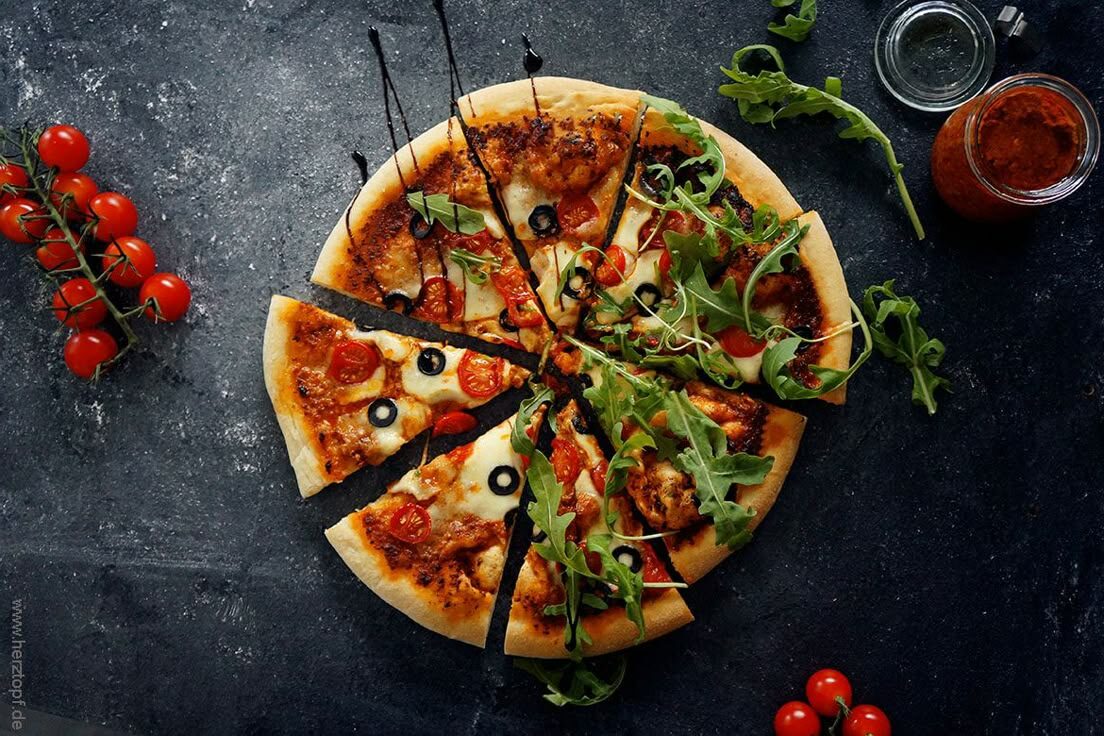
Indeed, transforming Discarded Kitchen Surplus into Artisanal Pizza Shows That Culinary Circularity Is Delicious, Sustainable, and Joyful.
Global food waste is one of the most pressing environmental challenges facing the modern culinary industry, with millions of tons discarded annually. However, in vibrant Shanghai, the forward-thinking Re-PIZZA Shanghai initiative proves that yesterday’s surplus can become tomorrow’s gourmet feast. By rescuing surplus bakery flour, vegetable trims, and spent brewing grains, this pizzeria creates delicious circular sourdough pies.

What Is the Re-PIZZA Shanghai Model?
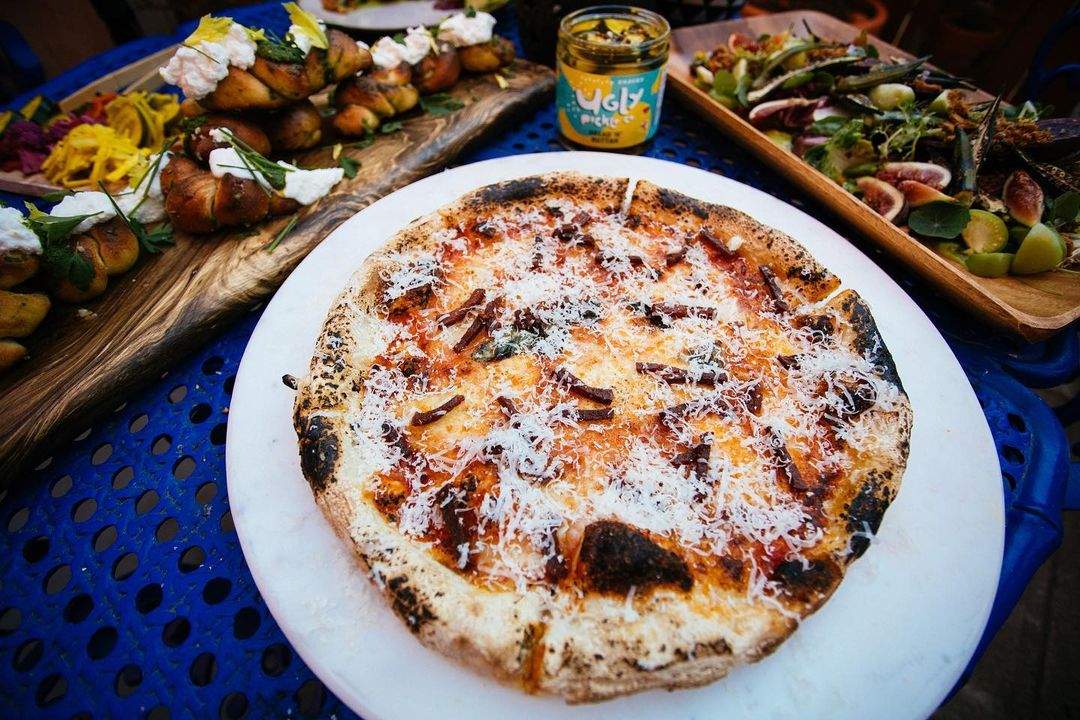
To begin with, the culinary team partners with neighborhood bakeries, local craft breweries, and organic grocery markets across Shanghai. Chefs incorporate nutrient-rich spent barley into naturally fermented pizza dough, creating an earthy crust with remarkable depth of flavor. Furthermore, chefs transform bruised organic tomatoes into rich marinara sauces through slow wood-fire cooking.
In addition, irregular vegetable cuts are artfully pickled or roasted to serve as gourmet pizza toppings. Meanwhile, the restaurant prints transparent eco-receipts showing diners the exact grams of carbon emissions prevented with each order. Consequently, patrons enjoy world-class Italian dining while supporting environmental regeneration.
Why Is Circular Pizza Cool?
- Gourmet Flavor Optimization: Spent brewer’s malt adds rich, complex nuttiness to sourdough crusts that standard flours cannot match.
- Empowering Urban Circularity: Connecting local breweries, bakeries, and kitchens eliminates waste across the city. Similar to circular artisanal craftsmanship, resourceful ingenuity creates superior value.
- Playful Ecological Education: Guests learn about sustainable food systems through delicious, unpretentious comfort food rather than lectures.
- Commercial Viability: In fact, lowering raw ingredient costs through upcycling allows the restaurant to offer accessible pricing while remaining profitable.
Why Does Upcycled Gastronomy Have Growth Potential?
Moreover, Consumers increasingly reward restaurants that demonstrate authentic ecological responsibility and circular business models. Because upcycling techniques adapt easily to bakeries, casual diners, and high-end restaurants alike, circular food preparation will expand globally. Therefore, zero-waste gastronomy represents the sustainable future of urban hospitality.
The Take Away
In conclusion, the Shanghai pizzeria demonstrates that sustainability is an exercise in creative imagination. As a result, by turning neglected food surplus into culinary gold, chefs celebrate the abundant bounty of the earth. Ultimately, When respect guides the kitchen, true hospitality leaves nothing to waste.
Reference Link: WRAP Circular Food Waste Initiatives
30 comments
HOW COOL IS THIS “SEED”?
● ● ● ● ○
DOES IT HAVE FUTURE GROWTH POTENTIAL?
● ● ● ● ○
Reducing waste is a distinct aim from improving personal health. I would let the menu describe ingredients and preparation without implying that recovered food is automatically more nutritious. Guests can appreciate the culinary and environmental proposition on its own terms.
HOW COOL IS THIS “SEED”?
● ● ● ○ ○
DOES IT HAVE FUTURE GROWTH POTENTIAL?
● ● ● ● ○
A shared information system could support ingredient records, collection schedules and menu updates. Its value would lie in accurate handovers rather than a decorative impact dashboard. Data should help kitchens act reliably and give guests clear information about the food offered that day.
HOW COOL IS THIS “SEED”?
● ● ● ● ●
DOES IT HAVE FUTURE GROWTH POTENTIAL?
● ● ● ● ○
The culinary challenge is to make available ingredients work together through skill, not simply add them to a familiar base. Taste and clear dietary information remain central. The concept is strongest when guests would enjoy the result even without knowing its recovery story.
HOW COOL IS THIS “SEED”?
● ● ● ● ○
DOES IT HAVE FUTURE GROWTH POTENTIAL?
● ● ● ● ○
The service system needs suitable containers, labelling and tools for variable ingredients. Those objects shape whether the idea works repeatedly. I would value a practical design that supports traceability and preparation more than campaign packaging that merely communicates good intentions.
HOW COOL IS THIS “SEED”?
● ● ● ● ○
DOES IT HAVE FUTURE GROWTH POTENTIAL?
● ● ● ● ○
Dietary information needs to remain clear despite menu variation. Visitors should be able to find a suitable option without accepting uncertainty as part of the experience. A purpose-led initiative becomes more inclusive when choice and accurate ingredient descriptions are built into its service.
HOW COOL IS THIS “SEED”?
● ● ● ● ○
DOES IT HAVE FUTURE GROWTH POTENTIAL?
● ● ● ● ○
Food handling and allergen information need competent oversight throughout the collection network. The campaign’s purpose does not reduce those responsibilities. Guests should receive factual answers about ingredients rather than reassurance based only on the idea that preventing waste is beneficial.
HOW COOL IS THIS “SEED”?
● ● ● ● ●
DOES IT HAVE FUTURE GROWTH POTENTIAL?
● ● ● ● ●
The project can communicate its purpose through a concise explanation and well-presented food. Excessive messaging may overwhelm a simple meal. I would keep the experience focused enough that guests can enjoy the result while choosing how deeply they engage with the wider story.
HOW COOL IS THIS “SEED”?
● ● ● ● ○
DOES IT HAVE FUTURE GROWTH POTENTIAL?
● ● ● ● ○
The visual story is strong, but headline impact figures need traceable support. Distinguish measured event results from ambitions for expansion. A campaign that shows the actual partners and recovery process would build confidence beyond the appeal of surprising combinations.
HOW COOL IS THIS “SEED”?
● ● ● ● ●
DOES IT HAVE FUTURE GROWTH POTENTIAL?
● ● ● ● ○
The initiative can challenge wasteful habits, but it should not become permission to keep producing avoidable surplus. Prevention deserves a place beside recovery. I would value a model that learns from its supply patterns and helps kitchens reduce the problem upstream.
Tracking the sources of surplus could help participating kitchens improve planning. Recovery would then contribute to prevention rather than becoming a permanent outlet that makes avoidable excess easier to accept.
HOW COOL IS THIS “SEED”?
● ● ● ● ○
DOES IT HAVE FUTURE GROWTH POTENTIAL?
● ● ● ○ ○
Resourcefulness can be a form of culinary craft when ingredients are treated carefully. The quality lies in judgment and execution, not the mere fact of reuse. A well-made dish can communicate respect for materials without needing an inflated narrative around every slice.
HOW COOL IS THIS “SEED”?
● ● ● ● ●
DOES IT HAVE FUTURE GROWTH POTENTIAL?
● ● ● ● ○
A pop-up needs clear zones for receiving, preparing and serving variable ingredients. Customer visibility can enrich the story if it does not obstruct kitchen work. Spatial planning should support dependable handling and comfortable queues as well as a memorable campaign display.
HOW COOL IS THIS “SEED”?
● ● ● ● ●
DOES IT HAVE FUTURE GROWTH POTENTIAL?
● ● ● ● ○
The emotional connection could come from enjoying good food while understanding a concrete act of resourcefulness. Staff should invite that connection rather than demand it. A satisfying meal and honest explanation would make the purpose feel credible and personal.
HOW COOL IS THIS “SEED”?
● ● ● ● ○
DOES IT HAVE FUTURE GROWTH POTENTIAL?
● ● ● ● ○
The idea links a familiar product to a practical resource problem, which makes the commercial proposition easy to understand. I would measure ingredient recovery alongside preparation costs and sales. A viable model needs satisfying food and dependable operations beyond the campaign’s initial appeal.
HOW COOL IS THIS “SEED”?
● ● ● ● ●
DOES IT HAVE FUTURE GROWTH POTENTIAL?
● ● ● ● ○
Clear language is essential when explaining which ingredients are reused. Guests should understand that unused kitchen materials are distinct from food returned on diners’ plates. Accurate descriptions can build confidence across markets without relying on vague claims that every form of surplus is interchangeable.
Cool to learn that Shanghai starts playing its role in the War Against Waste. A signs (and a blog) of optimism is a very turbulent world. Thanks Aster. Thanks Guilherme. Carl
HOW COOL IS THIS “SEED”?
● ● ● ● ●
DOES IT HAVE FUTURE GROWTH POTENTIAL?
● ● ● ● ○
A district-wide food initiative could connect restaurants through a shared public experience. Its destination value would come from specific collaborations and good food. Growth should establish a dependable local network before assuming the same collection and preparation model will work everywhere.
HOW COOL IS THIS “SEED”?
● ● ● ● ○
DOES IT HAVE FUTURE GROWTH POTENTIAL?
● ● ● ● ●
Collection, storage and preparation need clear responsibilities across participating kitchens. Ingredient variability cannot become an excuse for weak traceability. The programme would be stronger with documented handovers and a practical plan for materials that cannot appropriately be used in the available menu.
HOW COOL IS THIS “SEED”?
● ● ● ● ○
DOES IT HAVE FUTURE GROWTH POTENTIAL?
● ● ● ● ●
Recovered ingredients still require labour, transport and coordination. I would assess those costs alongside avoided disposal and actual product demand. The investment case should not assume that a low purchase price makes every surplus ingredient economical to collect and transform.
HOW COOL IS THIS “SEED”?
● ● ● ● ●
DOES IT HAVE FUTURE GROWTH POTENTIAL?
● ● ● ● ●
Impact should be reported with clear boundaries, time periods and measurement methods. The campaign’s social and environmental aims deserve separate evidence. A transparent account of what was recovered, sold and redistributed would be more useful than broad declarations of a culinary revolution.
HOW COOL IS THIS “SEED”?
● ● ● ● ○
DOES IT HAVE FUTURE GROWTH POTENTIAL?
● ● ● ● ○
The initiative could invite a conversation about everyday kitchen habits through an approachable meal. Chefs and partners should explain their choices in specific terms. That human knowledge makes the project richer than simply attaching a sustainability message to a familiar food.
HOW COOL IS THIS “SEED”?
● ● ● ● ●
DOES IT HAVE FUTURE GROWTH POTENTIAL?
● ● ● ● ○
A clear, welcoming explanation can help a guest try an unfamiliar combination confidently. Staff should answer questions without making people feel guilty for choosing another item. The hospitality value comes from an enjoyable meal and thoughtful service, alongside the initiative’s purpose.
HOW COOL IS THIS “SEED”?
● ● ● ● ○
DOES IT HAVE FUTURE GROWTH POTENTIAL?
● ● ● ● ○
Unexpected combinations can be inviting when guests know what they are ordering. I would preserve familiar options and avoid turning every purchase into a moral decision. Curiosity works best when the experience feels relaxed rather than demanding enthusiasm for the campaign.
HOW COOL IS THIS “SEED”?
● ● ● ● ○
DOES IT HAVE FUTURE GROWTH POTENTIAL?
● ● ● ● ○
Teams need current ingredient information and a consistent way to explain changing menus. They should never guess when guests ask about dietary requirements. Training and clear records would help the project remain welcoming even when the supply changes from one service period to another.
Daily ingredient records should connect directly to the menu information staff use. That would let culinary experimentation remain flexible while giving guests dependable answers about their choices.
HOW COOL IS THIS “SEED”?
● ● ● ● ○
DOES IT HAVE FUTURE GROWTH POTENTIAL?
● ● ● ● ●
The network can reveal the variety of a neighbourhood’s kitchens through credited contributors. Each participating restaurant brings its own knowledge and materials. That specificity would make the initiative more culturally interesting than a generic story in which surplus loses all connection to its source.
HOW COOL IS THIS “SEED”?
● ● ● ● ●
DOES IT HAVE FUTURE GROWTH POTENTIAL?
● ● ● ● ○
I would evaluate net waste reduction rather than only the quantity collected. Processing losses, transport and unsold food still matter. A useful account compares the initiative with a defined baseline and shows whether recovery improves overall outcomes rather than moving the waste elsewhere.
HOW COOL IS THIS “SEED”?
● ● ● ● ●
DOES IT HAVE FUTURE GROWTH POTENTIAL?
● ● ● ● ○
A changing menu needs an easy ordering process and clear availability. Guests should not have to investigate every ingredient through several staff members. Practical information can preserve the spontaneity of the food while removing unnecessary uncertainty from the purchase.
HOW COOL IS THIS “SEED”?
● ● ● ○ ○
DOES IT HAVE FUTURE GROWTH POTENTIAL?
● ● ● ● ○
The changing combinations can create interest without relying on artificial scarcity. Desirability should come from skilled preparation and a credible purpose. The concept loses strength if the food is treated mainly as a badge of responsible consumption rather than something people genuinely want to eat.
HOW COOL IS THIS “SEED”?
● ● ● ● ●
DOES IT HAVE FUTURE GROWTH POTENTIAL?
● ● ● ● ●
A resort adaptation would need a carefully managed kitchen programme, not a visible performance of improvisation. Guests should retain clear dietary choices and service expectations. The initiative can support thoughtful hospitality while keeping the responsibilities of collection and handling behind the scenes.
Rate & Discuss this Signal
Calibrate the Future Signals Index with your rating below, and share your perspective in the community dialogue.
Evaluate this Creative Signal
Help calibrate the Future Signals Index. Rate this Seed on both key criteria below (scale: 2 to 10).