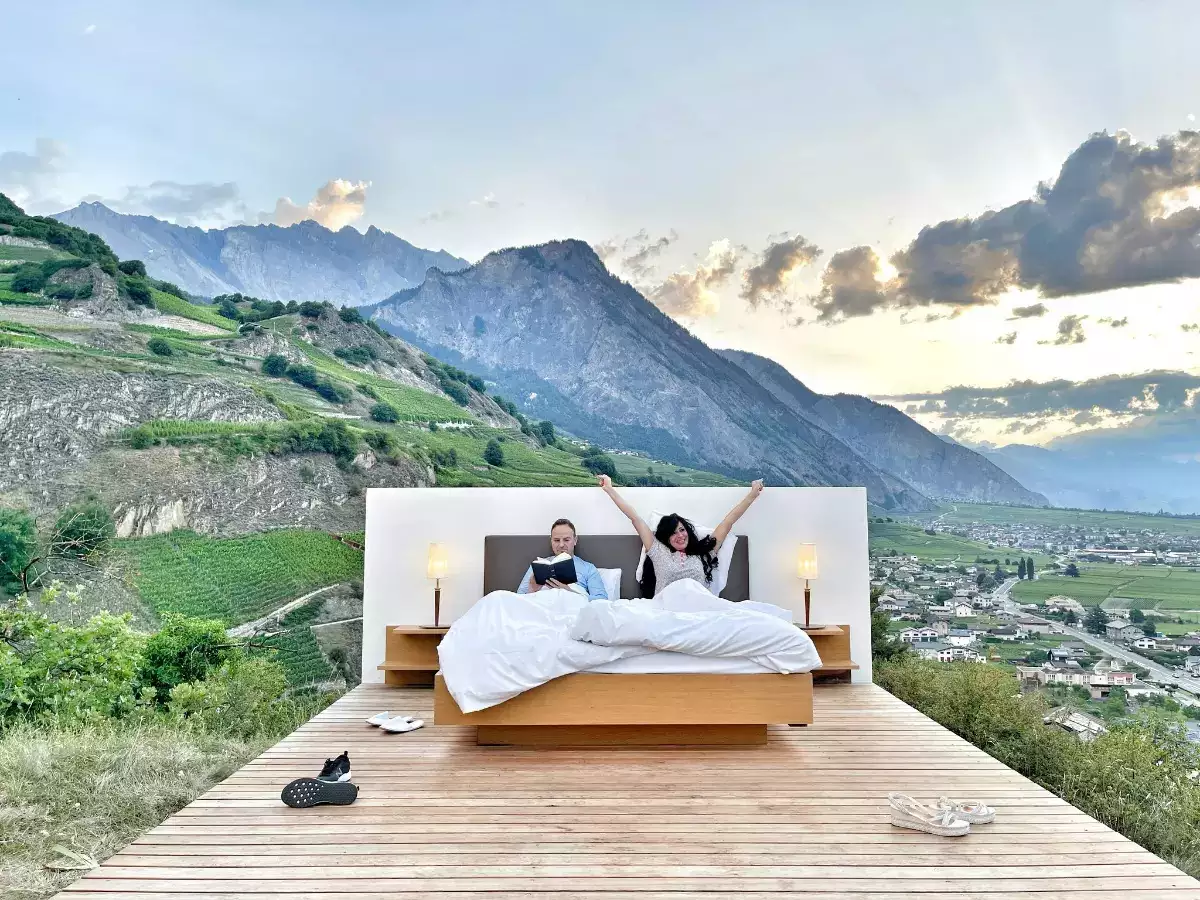
Indeed, removing Walls and Ceilings Proves That Unencumbered Immersion in Nature Outshines Conventional Luxury Architecture.
Already have an account?
FUTURISTS CLUB EXECUTIVE INTELLIGENCE
MEMBER EXCLUSIVE
The Rest of This Strategic Briefing is Reserved for Members
Join an international network of senior innovators, decision-makers, and hospitality leaders. Unlock all defining micro-signals, full field research, and the Monthly Foresight Briefing.
Een analoog meesterwerk van Gerd A. Müller (1966) dat de tegenbeweging naar tastbare focus, minimalistisch vakmanschap en diepgaande reflectie belichaamt.
As an Amazon Associate, Science of the Time earns from qualifying purchases. StoreID: scienceofthet-21
30 comments
Thanks Felipe, thanks Guilherme. This is interesting because it reveals how luxury is moving. Luxury will be less on goods and much more on experiences. (The Tariffs on good will intensify this movement). It’s all about generating and collecting Memorable Experiences. The most special ones will be treasured a lifetime. Null Stern is a perfect example.
Removing walls does not remove operational responsibilities. Bedding, access, service and changed weather all need reliable arrangements. The team should have a clear alternative plan that guests understand, with enough authority to change the experience when conditions make the original arrangement unsuitable.
The visible simplicity may conceal costs in transport, staffing and weather-related disruption. I would model a realistic operating season and cancellation exposure. Premium demand could support a limited concept, but the economics should not rely on every advertised night being deliverable.
A dependable alternative plan belongs in both the operating model and the guest promise. Counting its real costs would make the apparent simplicity easier to evaluate honestly.
The project asks a worthwhile question about what hospitality actually provides. Its purpose becomes more credible when reduction is accompanied by transparent responsibilities. A stripped-back setting should still explain resource use, land relationships and the practical support behind the guest’s experience.
The encounter could help visitors reconsider familiar hotel expectations through a deliberately unusual setting. Local hosts can enrich that reflection with their own knowledge of the place. The landscape should retain its lived meaning rather than becoming an empty stage for a visitor’s revelation.
The host’s care may become more noticeable when conventional room features are absent. Clear reassurance and responsive help would make the invitation feel personal. Guests should be free to change their mind without being treated as though they failed to appreciate the concept.
An open setting could offer a striking sense of space, but quiet and privacy cannot simply be assumed. I would ask how guests can withdraw or seek support. The experience should leave room for different reactions rather than prescribing serenity as its inevitable effect.
Staff need preparation for practical questions and changes to conditions, not only the artistic story. They should know what can be promised and when the plan must change. A thoughtful briefing would keep guests informed while supporting employees who make difficult operational decisions.
The site’s community context deserves attention alongside its views. Landowners, hosts and local contributors should be visible in the story. A distinctive overnight experience becomes richer when visitors understand the relationships that make it possible instead of imagining an untouched place without people.
Low visible construction does not establish a negligible footprint. Transport, laundry, service and land effects still need assessment. I would welcome specific evidence about those elements rather than accepting the absence of a building as proof that the whole experience is environmentally benign.
Guests should understand practical details quickly: arrival, facilities, service contact and changed plans. Good information can reduce friction without adding unnecessary complexity. The minimalist idea becomes more enjoyable when basic logistics are clear enough to stop occupying the visitor’s attention.
The unusual image creates strong symbolic appeal, but rarity should not require guests to tolerate undisclosed discomfort. A premium invitation can be both distinctive and candid. Desirability is more durable when the experience matches the choices guests believed they were making.
Open-air accommodation complicates the meaning of privacy. A carefully selected site and discreet service could help, but boundaries must be explained accurately. Guests should know who may pass nearby and what alternatives exist rather than equating isolation in an image with actual seclusion.
Contact with a landscape may be enjoyable, but the experience should not promise restoration or a particular emotional outcome. Different people will respond differently to exposure and unfamiliar routines. A good retreat supports choice and rest without presenting its format as a wellbeing solution.
A booking interface should make the unusual conditions unmistakable and keep weather updates easy to access. Emergency communication should remain dependable even if everyday screen use is optional. Digital restraint is useful only when it preserves the support guests may need.
A simple meal could strengthen the sense of place through specific ingredients and attentive delivery. Outdoor service still needs suitable handling and clear dietary information. The culinary experience should earn its appeal through quality rather than assuming the landscape compensates for practical shortcomings.
A familiar bed becomes conceptually unfamiliar when its enclosure disappears. The remaining objects must work reliably in that setting. Material selection, lighting and maintenance deserve close attention because every ordinary function is exposed instead of being absorbed into a conventional room.
Access information should be specific about terrain, facilities and support. The concept is not equally suitable for every visitor, and honest descriptions are more useful than broad promises. Alternatives should preserve a welcoming experience for people whose requirements differ from the original arrangement.
Guests need plain information about exposure and access to assistance, with operational decisions made by appropriate staff. The experience should not use vulnerability as a test of character. Comfort and informed participation remain valid priorities even within a deliberately unconventional stay.
The reduction is visually powerful when the remaining elements are precise and useful. Restraint should improve the experience rather than become a rule against practical comfort. I would judge the concept by how naturally service supports the setting without competing with it.
The photograph is memorable, yet marketing must show the practical experience behind it. Site-specific conditions and contingencies belong in the booking story. Clear expectations can preserve the concept’s appeal while avoiding an idealised promise of uninterrupted privacy or perfect weather.
The concept usefully challenges the idea that luxury requires accumulation. It also raises a question about selling access to apparent emptiness. I would keep both ideas visible instead of treating reduced infrastructure as automatic freedom from the social and ecological tensions of tourism.
With fewer objects, their quality becomes especially noticeable. Bedding, light and small service details need careful execution. The conceptual gesture is strongest when the guest can appreciate the craft of what remains rather than feeling that absence has been used to excuse incomplete hospitality.
The remaining details carry more responsibility when there are fewer of them. Thoughtful comfort can reinforce the reduction rather than dilute its conceptual strength.
Even an unenclosed room has a layout, boundaries and service routes. Those relationships should support movement, privacy and access to facilities. Spatial design cannot stop at the placement of the bed merely because the landscape provides the most striking part of the image.
The emotional potential lies in knowingly choosing an unfamiliar version of hospitality. A considerate host helps the guest feel supported without directing their response. The stay should remain successful when someone values the experiment yet prefers a different arrangement for the night.
The concept creates differentiation by reducing the conventional room rather than adding amenities. Its commercial model still needs dependable service and clear expectations. I would assess cancellations and actual delivery costs before assuming minimal visible infrastructure means inexpensive hospitality.
International guests need an exact description of the arrangement they are booking. Privacy, facilities and weather contingencies should be explained before payment. The unusual premise works best when the visitor knowingly chooses it, rather than discovering essential differences only on arrival.
The setting can become the reason for a journey when the overnight experience is carefully supported. Local partnerships could add depth without overwhelming its simplicity. Growth should respect the suitability of each site instead of treating an open landscape as an interchangeable hotel location.











30 comments
Thanks Felipe, thanks Guilherme. This is interesting because it reveals how luxury is moving. Luxury will be less on goods and much more on experiences. (The Tariffs on good will intensify this movement). It’s all about generating and collecting Memorable Experiences. The most special ones will be treasured a lifetime. Null Stern is a perfect example.
HOW COOL IS THIS “SEED”?
● ● ● ● ○
DOES IT HAVE FUTURE GROWTH POTENTIAL?
● ● ● ○ ○
Removing walls does not remove operational responsibilities. Bedding, access, service and changed weather all need reliable arrangements. The team should have a clear alternative plan that guests understand, with enough authority to change the experience when conditions make the original arrangement unsuitable.
HOW COOL IS THIS “SEED”?
● ● ● ● ○
DOES IT HAVE FUTURE GROWTH POTENTIAL?
● ● ● ● ○
The visible simplicity may conceal costs in transport, staffing and weather-related disruption. I would model a realistic operating season and cancellation exposure. Premium demand could support a limited concept, but the economics should not rely on every advertised night being deliverable.
A dependable alternative plan belongs in both the operating model and the guest promise. Counting its real costs would make the apparent simplicity easier to evaluate honestly.
HOW COOL IS THIS “SEED”?
● ● ● ● ○
DOES IT HAVE FUTURE GROWTH POTENTIAL?
● ● ● ● ●
The project asks a worthwhile question about what hospitality actually provides. Its purpose becomes more credible when reduction is accompanied by transparent responsibilities. A stripped-back setting should still explain resource use, land relationships and the practical support behind the guest’s experience.
HOW COOL IS THIS “SEED”?
● ● ● ● ●
DOES IT HAVE FUTURE GROWTH POTENTIAL?
● ● ● ● ●
The encounter could help visitors reconsider familiar hotel expectations through a deliberately unusual setting. Local hosts can enrich that reflection with their own knowledge of the place. The landscape should retain its lived meaning rather than becoming an empty stage for a visitor’s revelation.
HOW COOL IS THIS “SEED”?
● ● ● ● ●
DOES IT HAVE FUTURE GROWTH POTENTIAL?
● ● ● ● ●
The host’s care may become more noticeable when conventional room features are absent. Clear reassurance and responsive help would make the invitation feel personal. Guests should be free to change their mind without being treated as though they failed to appreciate the concept.
HOW COOL IS THIS “SEED”?
● ● ● ● ○
DOES IT HAVE FUTURE GROWTH POTENTIAL?
● ● ● ● ○
An open setting could offer a striking sense of space, but quiet and privacy cannot simply be assumed. I would ask how guests can withdraw or seek support. The experience should leave room for different reactions rather than prescribing serenity as its inevitable effect.
HOW COOL IS THIS “SEED”?
● ● ● ● ○
DOES IT HAVE FUTURE GROWTH POTENTIAL?
● ● ● ● ○
Staff need preparation for practical questions and changes to conditions, not only the artistic story. They should know what can be promised and when the plan must change. A thoughtful briefing would keep guests informed while supporting employees who make difficult operational decisions.
HOW COOL IS THIS “SEED”?
● ● ● ● ○
DOES IT HAVE FUTURE GROWTH POTENTIAL?
● ● ● ● ○
The site’s community context deserves attention alongside its views. Landowners, hosts and local contributors should be visible in the story. A distinctive overnight experience becomes richer when visitors understand the relationships that make it possible instead of imagining an untouched place without people.
HOW COOL IS THIS “SEED”?
● ● ● ● ○
DOES IT HAVE FUTURE GROWTH POTENTIAL?
● ● ● ● ●
Low visible construction does not establish a negligible footprint. Transport, laundry, service and land effects still need assessment. I would welcome specific evidence about those elements rather than accepting the absence of a building as proof that the whole experience is environmentally benign.
HOW COOL IS THIS “SEED”?
● ● ● ● ○
DOES IT HAVE FUTURE GROWTH POTENTIAL?
● ● ● ○ ○
Guests should understand practical details quickly: arrival, facilities, service contact and changed plans. Good information can reduce friction without adding unnecessary complexity. The minimalist idea becomes more enjoyable when basic logistics are clear enough to stop occupying the visitor’s attention.
HOW COOL IS THIS “SEED”?
● ● ● ● ○
DOES IT HAVE FUTURE GROWTH POTENTIAL?
● ● ● ● ○
The unusual image creates strong symbolic appeal, but rarity should not require guests to tolerate undisclosed discomfort. A premium invitation can be both distinctive and candid. Desirability is more durable when the experience matches the choices guests believed they were making.
HOW COOL IS THIS “SEED”?
● ● ● ● ○
DOES IT HAVE FUTURE GROWTH POTENTIAL?
● ● ● ○ ○
Open-air accommodation complicates the meaning of privacy. A carefully selected site and discreet service could help, but boundaries must be explained accurately. Guests should know who may pass nearby and what alternatives exist rather than equating isolation in an image with actual seclusion.
HOW COOL IS THIS “SEED”?
● ● ● ● ●
DOES IT HAVE FUTURE GROWTH POTENTIAL?
● ● ● ● ○
Contact with a landscape may be enjoyable, but the experience should not promise restoration or a particular emotional outcome. Different people will respond differently to exposure and unfamiliar routines. A good retreat supports choice and rest without presenting its format as a wellbeing solution.
HOW COOL IS THIS “SEED”?
● ● ● ● ●
DOES IT HAVE FUTURE GROWTH POTENTIAL?
● ● ● ○ ○
A booking interface should make the unusual conditions unmistakable and keep weather updates easy to access. Emergency communication should remain dependable even if everyday screen use is optional. Digital restraint is useful only when it preserves the support guests may need.
HOW COOL IS THIS “SEED”?
● ● ● ● ●
DOES IT HAVE FUTURE GROWTH POTENTIAL?
● ● ● ● ●
A simple meal could strengthen the sense of place through specific ingredients and attentive delivery. Outdoor service still needs suitable handling and clear dietary information. The culinary experience should earn its appeal through quality rather than assuming the landscape compensates for practical shortcomings.
HOW COOL IS THIS “SEED”?
● ● ● ● ○
DOES IT HAVE FUTURE GROWTH POTENTIAL?
● ● ● ● ●
A familiar bed becomes conceptually unfamiliar when its enclosure disappears. The remaining objects must work reliably in that setting. Material selection, lighting and maintenance deserve close attention because every ordinary function is exposed instead of being absorbed into a conventional room.
HOW COOL IS THIS “SEED”?
● ● ● ● ●
DOES IT HAVE FUTURE GROWTH POTENTIAL?
● ● ● ● ●
Access information should be specific about terrain, facilities and support. The concept is not equally suitable for every visitor, and honest descriptions are more useful than broad promises. Alternatives should preserve a welcoming experience for people whose requirements differ from the original arrangement.
HOW COOL IS THIS “SEED”?
● ● ● ● ○
DOES IT HAVE FUTURE GROWTH POTENTIAL?
● ● ● ○ ○
Guests need plain information about exposure and access to assistance, with operational decisions made by appropriate staff. The experience should not use vulnerability as a test of character. Comfort and informed participation remain valid priorities even within a deliberately unconventional stay.
HOW COOL IS THIS “SEED”?
● ● ● ● ○
DOES IT HAVE FUTURE GROWTH POTENTIAL?
● ● ● ● ○
The reduction is visually powerful when the remaining elements are precise and useful. Restraint should improve the experience rather than become a rule against practical comfort. I would judge the concept by how naturally service supports the setting without competing with it.
HOW COOL IS THIS “SEED”?
● ● ● ● ●
DOES IT HAVE FUTURE GROWTH POTENTIAL?
● ● ● ● ○
The photograph is memorable, yet marketing must show the practical experience behind it. Site-specific conditions and contingencies belong in the booking story. Clear expectations can preserve the concept’s appeal while avoiding an idealised promise of uninterrupted privacy or perfect weather.
HOW COOL IS THIS “SEED”?
● ● ● ● ●
DOES IT HAVE FUTURE GROWTH POTENTIAL?
● ● ● ● ●
The concept usefully challenges the idea that luxury requires accumulation. It also raises a question about selling access to apparent emptiness. I would keep both ideas visible instead of treating reduced infrastructure as automatic freedom from the social and ecological tensions of tourism.
HOW COOL IS THIS “SEED”?
● ● ● ● ●
DOES IT HAVE FUTURE GROWTH POTENTIAL?
● ● ● ● ○
With fewer objects, their quality becomes especially noticeable. Bedding, light and small service details need careful execution. The conceptual gesture is strongest when the guest can appreciate the craft of what remains rather than feeling that absence has been used to excuse incomplete hospitality.
The remaining details carry more responsibility when there are fewer of them. Thoughtful comfort can reinforce the reduction rather than dilute its conceptual strength.
HOW COOL IS THIS “SEED”?
● ● ● ● ●
DOES IT HAVE FUTURE GROWTH POTENTIAL?
● ● ● ● ●
Even an unenclosed room has a layout, boundaries and service routes. Those relationships should support movement, privacy and access to facilities. Spatial design cannot stop at the placement of the bed merely because the landscape provides the most striking part of the image.
HOW COOL IS THIS “SEED”?
● ● ● ● ●
DOES IT HAVE FUTURE GROWTH POTENTIAL?
● ● ● ○ ○
The emotional potential lies in knowingly choosing an unfamiliar version of hospitality. A considerate host helps the guest feel supported without directing their response. The stay should remain successful when someone values the experiment yet prefers a different arrangement for the night.
HOW COOL IS THIS “SEED”?
● ● ● ● ●
DOES IT HAVE FUTURE GROWTH POTENTIAL?
● ● ● ● ●
The concept creates differentiation by reducing the conventional room rather than adding amenities. Its commercial model still needs dependable service and clear expectations. I would assess cancellations and actual delivery costs before assuming minimal visible infrastructure means inexpensive hospitality.
HOW COOL IS THIS “SEED”?
● ● ● ● ●
DOES IT HAVE FUTURE GROWTH POTENTIAL?
● ● ● ● ○
International guests need an exact description of the arrangement they are booking. Privacy, facilities and weather contingencies should be explained before payment. The unusual premise works best when the visitor knowingly chooses it, rather than discovering essential differences only on arrival.
HOW COOL IS THIS “SEED”?
● ● ● ● ●
DOES IT HAVE FUTURE GROWTH POTENTIAL?
● ● ● ● ○
The setting can become the reason for a journey when the overnight experience is carefully supported. Local partnerships could add depth without overwhelming its simplicity. Growth should respect the suitability of each site instead of treating an open landscape as an interchangeable hotel location.
Rate & Discuss this Signal
Calibrate the Future Signals Index with your rating below, and share your perspective in the community dialogue.
Evaluate this Creative Signal
Help calibrate the Future Signals Index. Rate this Seed on both key criteria below (scale: 2 to 10).